

Your Child Has a Dental Emergency: Here’s Exactly What You Should Do
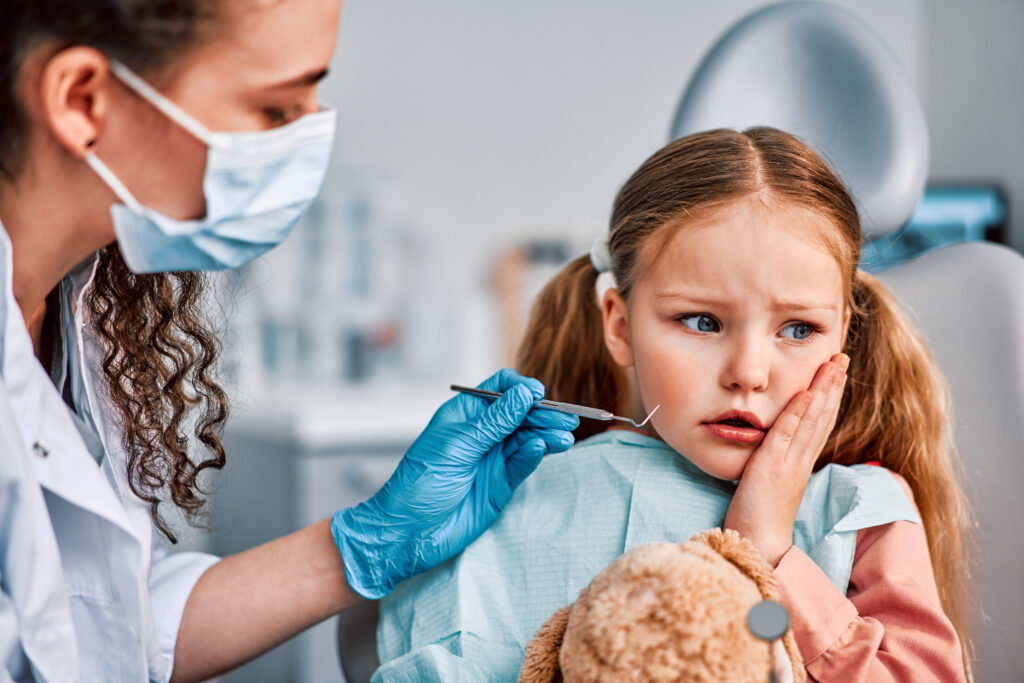
As a parent, there are few things more terrifying than hearing your child scream in pain after a sudden injury or dental accident. Whether it’s a knocked-out tooth from an unexpected fall, a severe toothache that seems to come out of nowhere, or any other dental emergency, the worry can be overwhelming.
In that split second, your heart drops. Every parent knows that specific jolt of adrenaline and the immediate, overwhelming desire to fix it. If you are reading this right now because your child just had a dental accident, take a deep breath. You are doing exactly what you need to do: seeking help.
While it feels like a crisis, most dental injuries are manageable when you act quickly and calmly. At Kurt M. Halum, DMD, P.C., our dentist specializes in treating little ones during an oral mishap. Moreover, we also guide parents on the steps to take until they reach our dental office. If you ever find your kid needs immediate care or quality preventive care, do not delay in scheduling an appointment with our dental team.
This guide is designed to walk you through the immediate steps to take, helping you protect your child’s smile and get them the care they need without the extra stress.
The First 30 Minutes: Stay Calm and Act Quickly
The initial moments after a dental injury are critical. Your child is looking to you for reassurance, so taking a few deep breaths and speaking in a calm voice will help them relax. A panicked child is harder to help, so even if you’re worried on the inside, project confidence on the outside.
First, assess your child’s overall condition. Are they bleeding from anywhere else? Do they seem to have hit their head? If there’s any concern about a more serious injury beyond the tooth, prioritize getting medical attention first. A dental issue, while urgent, can wait if there are more pressing health concerns.
Next, look at the tooth itself. Is it completely knocked out, partially broken, loose, or just chipped? The type of injury will determine your next steps. If there’s blood, gently rinse your child’s mouth with cool water. You can ask them to bite down softly on a clean, damp cloth to help control any bleeding. Most bleeding from a tooth injury will slow after 5 to 10 minutes of gentle pressure.
The Immediate First Steps: Stay Calm to Keep Them Calm
Children look to their parents for emotional guidance. If you look terrified, they will feel terrified. Start by using a soothing voice. Wash your hands quickly, then gently assess the damage. If there is bleeding, use a clean piece of gauze or a soft cloth to apply firm, steady pressure. Most oral bleeding looks worse than it is because saliva spreads the blood around, so try not to let the sight of it overwhelm you.
What to Do If You’re Dealing with a Knocked-Out Permanent Tooth
This is perhaps the most time-sensitive emergency. If your child has lost an adult tooth, the goal is to keep the tooth “alive” until you can reach an emergency pediatric dentist in Highland whom parents trust:
- Find the tooth: Handle it only by the crown (the chewing surface), never the root.
- Rinse it gently: Use water only if it’s dirty. Do not scrub it or use soap.
- Try to re-insert: If your child is old enough not to swallow it, try placing the tooth back into the socket and have them bite down on gauze.
- Keep it moist: If you can’t put it back in the socket, place it in a small container of milk. If milk isn’t available, use your child’s saliva. Do not use plain tap water for long-term storage, as it can damage the root cells.
Managing a Chipped or Broken Tooth
If a piece of the tooth has broken off, try to find the fragment. Sometimes, a dentist can bond the original piece back into place. Even if you can’t find it, don’t worry, a kids’ emergency dentist Highland residents trust can fix it with modern restorative treatments. Rinse the mouth with warm water and apply a cold compress to the outside of the cheek to reduce swelling.
Dealing with Toothaches and Sudden Swelling
Not every emergency involves a physical impact. Sometimes a child wakes up in the middle of the night crying from a sharp, throbbing pain. Start by helping them floss around the aching tooth to ensure no food debris is trapped in the gumline. If the pain persists or you notice a small bump on the gums (which could indicate an abscess), it is time to seek professional help.
When searching for a kids emergency dentist Highland residents trust, you want a team that understands the unique anatomy of primary teeth and the emotional needs of a frightened child. Pediatric specialists are trained to handle these high-stress situations with a “tell-show-do” approach that minimizes trauma for the patient.
Finding Emergency Pediatric Dental Care in Your Area
Knowing where to go before an emergency happens is smart planning, but if you’re reading this because an emergency just occurred, don’t worry, in Highland, you have access to top-quality emergency care for your little ones.

Dr. Kurt M. Halum
Dr. Kurt M. Halum and his team at Kurt M. Halum, DMD, P.C., located right here in Highland, specialize in caring for children’s dental emergencies. They understand that frightened kids need a different approach than adults, and the practice is trained to handle everything from minor chips to serious injuries with patience and expertise. Dr. Halum knows how scary these moments are for parents, and he’s experienced in making both kids and their parents feel supported during dental trauma.
Please spare some time from your buzy schedule to read this:
Amazing job every time! They are quick to get my little guy in to the office, emergency or appointments very fast efficient and Staff is so friendly. Doc. Kurt is by far a fantastic dentist. my son feels super comfortable with him. They specialize in children and it shows with everyone’s patience and smiles. Beautiful facility as well clean and kid friendly.
– J Garcia
Our Google Reviews keep us inspired to provide quality services to our patients.
Many parents in and around Highland have found comfort in knowing they have a trusted place to go when dental accidents happen. Having our contact details saved in your phone is a smart move for any parent.

Our Office in Highland
After the Emergency Visit: Follow-Up Care
Once the immediate crisis is handled, you’re not quite done. Follow your dentist’s instructions carefully for aftercare. Your child might need to avoid certain foods, use a special mouthwash, or take prescribed medications. Attend any follow-up appointments recommended.
Some injuries to teeth take time to fully show their effects. A tooth that seems fine immediately after an injury might develop complications weeks or months later. Regular dental checkups will catch any problems early.
Common Myths About Dental Emergencies
When you’re searching for answers in the heat of the moment, you might run into some outdated advice. Let’s clear those up:
- “Just put aspirin on the gum”: Never do this. Aspirin is acidic and can cause a chemical burn on the soft tissues of your child’s mouth.
- “It’s just a baby tooth, it doesn’t matter”: Baby teeth act as placeholders for permanent teeth. If one is lost too early or becomes infected, it can lead to major orthodontic issues or damage to the underlying adult tooth.
- “If it doesn’t hurt, it’s not an emergency”: Sometimes a nerve can be damaged without immediate pain. A quick exam is always safer than assuming everything is fine.
We’re Here for You, Right When You Need Us
When a dental emergency strikes, it’s crucial to act quickly and calmly. At our dental office, Dr. Kurt M. Halum is ready to help your kid through these stressful situations with immediate care, effective advice, and compassionate treatment.
If your child has just experienced a dental emergency, don’t wait. Schedule a consultation and let us help your little ones get the care they need!
Contact us today, we’re ready to assist you in any dental emergency!
FAQs
-
What is considered a dental emergency for a child?
A pediatric dental emergency is any situation involving severe pain, uncontrolled bleeding, or traumatic injury to the teeth or jaw. Common emergencies include a knocked-out permanent tooth, a cracked or fractured tooth with exposed nerves, a dental abscess (infection), or a suspected broken jaw. If your child has facial swelling that affects their breathing or eyes, seek emergency medical care immediately.
-
What should I do if my child knocks out a permanent tooth?
Time is the most critical factor; you have about 30 to 60 minutes to save the tooth.
- Handle by the crown: Never touch the root.
- Rinse gently: Use water or milk to remove debris (do not scrub).
- Reinsert if possible: Gently push the tooth back into the socket and have the child bite on gauze.
- Keep it moist: If you can’t reinsert it, place the tooth in a small container of cold milk or the child’s saliva and head to a dentist immediately.
-
How can I stop my child’s dental pain at home?
To manage a toothache before your appointment, start by flossing gently to remove trapped food. Have your child rinse with warm salt water to reduce inflammation. You can apply a cold compress to the outside of the cheek for 15-minute intervals to numb the area. Use age-appropriate over-the-counter pain relievers (like ibuprofen or acetaminophen) as directed by your pediatrician.
-
Does a knocked-out baby tooth need to be put back in?
No. You should never reinsert a knocked-out baby tooth, as doing so can damage the permanent adult tooth developing underneath the gums. However, you should still visit a pediatric dentist to ensure no tooth fragments remain and to determine if a space maintainer is needed to keep the surrounding teeth from shifting.
-
When should I take my child to the ER instead of the dentist?
Go to the Emergency Room (ER) if your child has a life-threatening symptom, such as a suspected jaw fracture, difficulty breathing, or severe facial swelling that spreads toward the eye or down the neck. For tooth-specific issues like a chip, a lost filling, or a knocked-out tooth, a pediatric dentist is the best choice for specialized care.
-
Can a chipped or cracked tooth wait until the next day?
If the chip is minor and your child is not in pain, it can usually wait until the next business day. However, if the crack is deep, the tooth is loose, or you see a red/pink spot (indicating the nerve is exposed), it is an emergency. An exposed nerve is extremely painful and puts the tooth at high risk for infection.
-
How can I prevent dental injuries during sports?
The best way to prevent sports-related dental trauma is to have your child wear a custom-fitted mouthguard. While store-bought “boil-and-bite” guards offer some protection, a custom guard from your dentist provides superior shock absorption and stays in place more reliably during impact.