

What Every Parent Needs To Know About Dental Emergencies?
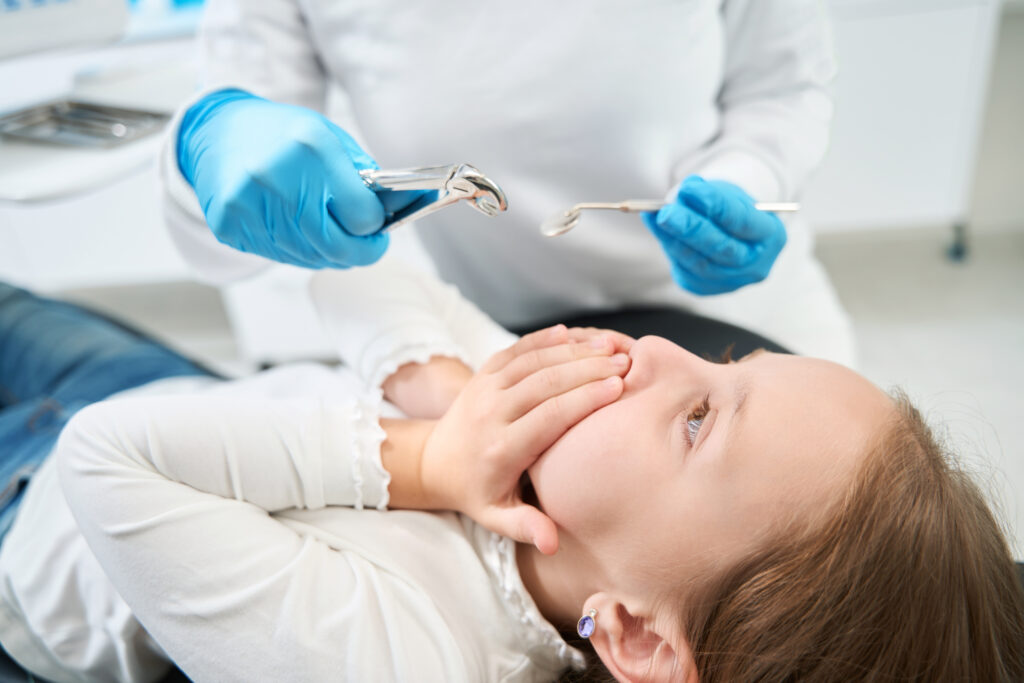
When something suddenly happens to your child’s tooth, such as a fall, swelling, or sudden pain, it can feel overwhelming fast. In those moments, most parents freeze. Should you rush to the emergency room? Call for professional help? Wait and see if it gets better? That uncertainty is completely understandable, and it’s exactly why having clear, reliable information before something happens is essential.
The truth is, most parents aren’t sure what counts as a kids dental emergency. This uncertainty can make an already stressful situation even harder. However, with a little clarity, you can respond quickly and confidently when it matters most.
This guide walks you through recognizing urgent situations, what can wait, and exactly what to do in those first few minutes.
What Counts As A True Dental Emergency?
Not every oral problem needs you to drop everything immediately, but some absolutely do. Here’s how to tell the difference.
Needs Same-Day Attention
- Tooth knocked out completely (permanent tooth): This is the most time-sensitive situation in pediatric dentistry. A knocked-out tooth, if it’s permanent, has the best chance of being saved if it’s brought to a professional within 30 to 60 minutes. If you’re wondering what to do when your child’s tooth is knocked out, the key is to act quickly, as every minute matters.
- Swollen face or jaw with fever or difficulty swallowing: A tooth abscess in children that has progressed to visible facial swelling, fever, or trouble swallowing is an oral crisis. The infections can spread rapidly, so this should never be left until the morning.
- Severe, throbbing tooth pain: A toothache in a child at night that won’t respond to age-appropriate pain relief and is keeping them awake needs prompt attention. Pain of that intensity usually signals a deeper problem.
- Badly broken or cracked tooth with pain or bleeding: When a tooth is significantly damaged, this goes beyond a minor chip and becomes a chipped tooth child urgent care situation. Here, they need prompt attention rather than waiting. Visible bleeding, exposed tooth structure, or increasing pain are clear signs that this should not be monitored overnight.
- Signs of Infection or Abscess: A dental abscess in children can become serious if untreated. Watch for swelling, pain when chewing, fever, and a bump on the gums, which should be evaluated promptly.
Can Likely Wait For The Next Available Appointment
Not every situation requires after-hours dental emergency care for kids. Some issues can safely wait until the next available opening, especially if they are comfortable and symptoms are not getting worse. These include:
- A minor chip with no pain or sensitivity
- A minor crack that isn’t causing discomfort
- A baby tooth that has come loose but isn’t causing significant bleeding or severe pain
First Steps: What To Do Before You Reach The Dentist?
Those first few minutes are critical. Here’s how to handle your kid’s dental emergency before you get professional help.
Permanent Tooth Knocked Out
- Pick it up by the crown (the white part) only, but never touch the root.
- Rinse it very gently under cool water. Do not scrub, dry, or wrap it in tissue.
- If your child is calm and old enough, try gently placing the tooth back in the socket and having them hold it there carefully.
- If reinsertion isn’t possible, store the tooth in a small container of cold milk, not water, not dry tissue.
- Get to a pedodontist immediately. These pediatric dental injury steps exist to buy you time, not replace treatment.
Baby Tooth Knocked Out
The distinction between baby tooth and permanent tooth emergencies matters here. Do not attempt to reinsert a knocked-out baby tooth. Doing so can damage the developing permanent tooth underneath. Rinse your little one’s mouth gently, apply light pressure if there’s bleeding, and call for medical help. This is not usually a rush-to-the-office situation unless there’s heavy bleeding that won’t stop.
Swollen Face Or Suspected Abscess
Apply a cold compress to the outside of the cheek to help with swelling and discomfort. Give age-appropriate pain relief if your junior can take it. Then head to the emergency room if there’s any difficulty breathing or swallowing, as this may signal the disease is spreading.
Emergency Room Or Pediatric Dentist – Who Should You Call?
This is one of the most common points of confusion parents face. Emergency rooms are equipped to treat serious infections, facial trauma, and systemic illness, but they cannot provide dental treatment. A physician in the ER can prescribe antibiotics or pain medication, but they cannot re-implant a tooth, drain a dental abscess, or repair a broken crown.
For the vast majority of oral emergencies, a pedodontist is your best and fastest remedy. The only exceptions are situations involving:
- Difficulty breathing or swallowing.
- A possible head injury or loss of consciousness.
- Uncontrolled bleeding that isn’t slowing down.
Take some time to know about our quality of work
They were able to squeeze me in in an emergency situation and they were very professional and thorough. Will gladly continue going back.
– J. Suarez
Go through our Google Reviews so it can help you to finally make your decision.
For families in Highland, having a provider who specializes in pediatric dental emergencies and already knows your child makes a real difference in those moments. The local communities in Highland often rely on Dr. Kurt Halum and the team at Kurt M. Halum, DMD, P.C. for timely, kid-focused care. Families across Highland searching for an emergency pediatric dentist near me often find that Dr. Halum’s practice at Kurt M. Halum, DMD, P.C. is already the answer to manage everything from knocked-out teeth to infections, while also helping little ones stay calm and supported during a stressful visit.
How To Stay Ready Before Something Happens?
Most parents don’t think about a dental crisis until they’re in the middle of one. But being prepared ahead of time can make these situations much easier to handle.
Start with two simple things.
First, know the difference between situations that need immediate attention, like swelling, severe pain, or a knocked-out permanent tooth, and those that can wait a day or two. That alone helps you make faster decisions without second-guessing.
Second, have a plan. Keep basic supplies like gauze, a small container, and pain relief at home. Just as important, know exactly where you would go if something happened. In a stressful moment, not having to search for options saves time and reduces panic.
For families in Highland, having a pediatric dental care provider your tot already knows can make a big difference. Instead of trying to figure things out in the moment, you already have a clear next step.
How To Reduce The Risk Of Dental Urgency In Kids?
A little preparation goes a long way when it comes to protecting your junior’s teeth. Here’s what every parent should know:
- Young children are most often injured during everyday falls and active play, not just sports.
- Older kids and teenagers are more commonly hurt during organized sports, where contact and collisions are frequent.
- A mouthguard is one of the most effective ways to prevent dental injuries, and it’s often overlooked as essential gear.
- Custom-fitted mouthguards offer significantly better protection than store-bought boil-and-bite versions.
- For kids in contact sports, a properly fitted mouthguard isn’t optional but one of the smartest investments you can make for their smile.
Give Your Child A Trusted Dental Home Before You Need It
If you’re reading this, you’re already doing the right thing, getting clear on what to do before you’re in the middle of a dental crisis. But when something does happen, what helps most isn’t just knowing the steps but knowing exactly who to turn to.

Dr. Kurt M. Halum – Our Experienced Dentist in Highland
For families in Highland, having a pediatric dentist that your little one already knows helps create a sense of comfort and confidence. Dr. Kurt Halum and the team at Kurt M. Halum, DMD, P.C., work with children every day, including in urgent situations. So you’re not trying to figure things out on your own when time matters. Here, at our dental office, young smiles receive faster care and a familiar environment in case something unexpected comes up. You can call us or use the online form to schedule a visit and have that support nearby before you ever need it.
Frequently Asked Questions (FAQs)
-
My child knocked out a tooth. How do I know if it is a baby tooth or a permanent tooth, and does it change what I do?
Baby teeth are smaller and expected to fall out between the ages of 5 to 7. If it’s a baby tooth, do not reinsert it. If it’s a permanent tooth, properly preserving it and getting immediate care are critical.
-
My child has a swollen cheek and says their tooth hurts. Should I go to the emergency room or call the dentist?
A swollen cheek with tooth pain often indicates infection and needs prompt dental evaluation. If swelling affects breathing, swallowing, or is severe, go to the ER. Otherwise, a pediatric oral care provider is usually the right first step.
-
Is a dental abscess dangerous in children, and can it wait until the next available appointment?
A dental abscess can spread beyond the tooth and become serious if untreated. It should not be delayed, especially if there is swelling, pain, or fever, as early treatment helps prevent complications and the need for more invasive procedures.
-
My child chipped a tooth but is not in any pain. Is this still an emergency?
A small chip without pain is usually not an urgency, but it should still be checked. Even minor damage can lead to sensitivity or further breakage if left untreated for too long.
-
What should I keep at home to be prepared for a child’s dental emergency?
Keeping gauze, a small container, clean water or saline, and kids’ pain relief at home can help you respond quickly. Having a professional’s information ready also makes it easier to act without delay.