

What to Do If Your Child Bites Their Lip or Tongue?
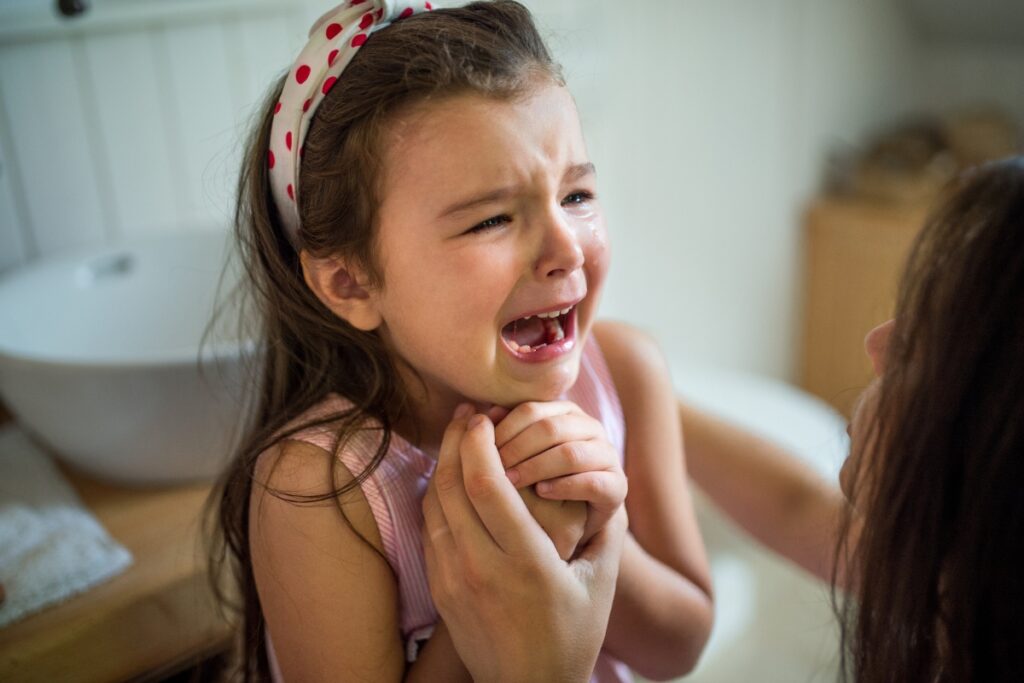
A sudden cry during playtime, a little blood on your child’s lips, or a complaint of pain while eating can leave any parent feeling worried. Children often bite their lips or tongues when they fall, bump into something, chew too quickly, or accidentally hit their mouths while playing. Although many of these injuries heal without complications, it can be difficult to know when home care is enough and when your child needs professional attention.
If you are wondering what to do when a child bites their tongue or lip, start by staying calm and checking the injury carefully. Most minor mouth injuries improve with simple first aid, but heavy bleeding, deep cuts, and signs of a more serious injury need prompt evaluation. Parents in Highland, IN, can also benefit from knowing when to contact a dental office for guidance.
Why Do Children Bite Their Lips or Tongues?
Children can accidentally bite their mouths in several everyday situations. Toddlers may fall while learning to walk, while older children might injure their lips during sports, running, or rough play. Eating quickly or chewing while talking can also lead to accidental bites.
Common causes include:
- Falls that cause the teeth to press into the lips or tongue.
- Sports injuries or collisions during play.
- Accidental biting while chewing food.
- A sudden movement of the jaw during eating.
- Dental problems, such as a chipped tooth with a sharp edge.
A child bites inside of lip injuries may look more alarming than they actually are because the mouth contains many small blood vessels. Even a small cut can bleed noticeably. However, the amount of blood alone does not tell you how serious the injury is, so check the wound and your child’s overall condition.
What to Do When a Child Bites Their Tongue or Lip
Knowing the right first-aid steps can help you manage the injury and keep your child comfortable while deciding whether dental or medical care is necessary.
Stay Calm and Check the Injury
Help your child sit upright in a comfortable position. Gently examine the lip, tongue, and inside of the mouth if your child allows it. Look for a small bite mark, swelling, a deep cut, or a loose or broken tooth.
Do not force your child’s mouth open if they are in severe pain or have difficulty moving their jaw. If the injury followed a significant fall or head impact, check for other signs of injury as well.
Control the Bleeding
Wash your hands before touching the injured area. If the cut is on the lip or inside the mouth, use clean gauze to apply gentle, steady pressure. Hold the gauze against the wound for about 10 minutes without repeatedly lifting it to check.
For a tongue injury, apply gentle pressure with clean gauze if you can do so safely. If bleeding is heavy, the wound appears deep, or bleeding does not stop with sustained pressure, seek urgent medical care.
Never place loose gauze deep inside a young child’s mouth, where it could become a choking hazard.
Reduce Swelling and Pain
Apply a cold compress wrapped in a clean cloth to the outside of the injured lip for short periods. You can also offer a cold drink or a small amount of cool, soft food if your child can swallow comfortably.
Avoid putting ice directly against the injured tissue. Do not give hard candy or ice cubes to young children because they can pose a choking risk.
Choose Soft Foods During Healing
For the first day or two, offer foods that require little chewing, such as yogurt, applesauce, mashed potatoes, or cooled oatmeal. Avoid spicy, salty, acidic, crunchy, or very hot foods if they irritate the wound.
Encourage your child to drink water and gently rinse their mouth with water after eating, if they are old enough to rinse and spit safely. Do not encourage a young child to use a saltwater rinse if they might swallow it.
When Does a Mouth Injury Need Professional Care?
Many minor tongue and lip injuries begin to improve within a few days. However, some injuries require prompt attention to prevent complications or address damage to the teeth.
Seek Emergency Medical Care for Serious Symptoms
Get emergency help if your child has trouble breathing or swallowing, rapidly increasing swelling, uncontrolled bleeding, or a serious facial injury. A deep or gaping cut, a large tongue wound, or a cut that crosses the border between the lip and facial skin may need professional assessment and possibly stitches.
If the injury follows a significant head impact and your child loses consciousness, vomits repeatedly, becomes unusually sleepy, or seems confused, seek emergency medical evaluation.
Contact a Dentist if a Tooth Is Damaged
Sometimes a child bites their lip or tongue because a fall or collision forces the teeth into the soft tissue. Check for a chipped, cracked, loose, displaced, or knocked-out tooth.
A sharp broken tooth can continue cutting the tongue or lip. A dentist can assess the tooth and recommend treatment to protect the injured tissue. A knocked-out permanent tooth needs immediate dental attention. If a baby tooth is knocked out, do not try to put it back into the socket; contact a dentist promptly.
Parents looking for guidance about pediatric dental emergencies in Highland, should contact a dental office when a mouth injury involves a damaged tooth, persistent pain, or swelling that does not improve.
Caring for a Child’s Mouth Injury at Home
Caring for a child’s mouth injury involves keeping the area clean, limiting irritation, and monitoring how it heals.
- Keep the mouth clean: Encourage gentle rinsing with plain water after meals when your child can do so safely.
- Watch the swelling: A cold compress may help during the early stages.
- Prevent further irritation: Avoid picking at the wound or repeatedly touching it with fingers.
- Monitor eating and drinking: Contact a healthcare professional if pain prevents your child from drinking enough fluids.
- Check for infection: Increasing pain, worsening swelling, pus, fever, or spreading redness warrants professional evaluation.
How to Treat a Bitten Lip in a Child Who Is a Toddler
Lip injuries in toddlers can be particularly stressful because young children may struggle to explain their pain or cooperate with first aid. Sit with your toddler, speak gently, and use a cold, damp cloth on the outside of the lip if they tolerate it.
Offer age-appropriate soft foods and supervise them closely while eating. Avoid small, hard foods that may pose a choking risk. If your toddler has a deep cut, significant swelling, a damaged tooth, or difficulty drinking, seek professional care rather than relying on home treatment.
How Long Does a Bitten Lip or Tongue Take to Heal?
The mouth generally heals relatively quickly because its tissues have a good blood supply. A minor bite may start feeling better within a few days, while a larger injury can take longer to heal completely.
The healing time depends on the depth and location of the wound, whether the child continues irritating it, and whether the teeth or surrounding structures sustained damage. There is no single healing timeline that applies to every child.
If the wound becomes more painful instead of improving, bleeding returns, or swelling increases, arrange a professional evaluation. Do not assume that a mouth injury is harmless simply because the initial bleeding stopped.
Helping Your Child Recover Comfortably
A bitten lip or tongue can look frightening, especially when your child is crying or bleeding. Staying calm, applying gentle pressure, offering cool foods, and watching for warning signs can help you respond appropriately. The most important step is recognizing when an injury goes beyond a minor bite and needs professional attention.
If your child has a damaged tooth, persistent mouth pain, or a wound that concerns you, Kurt M. Halum, DMD, P.C., can help you determine the appropriate next step for your child’s dental needs in Highland, IN. Schedule an appointment to discuss your child’s dental concerns and help protect their developing smile.
Frequently Asked Questions
Should I take my child to the dentist after a tongue bite?
A small tongue bite that stops bleeding and improves steadily may only need home care. However, seek professional evaluation for a deep cut, persistent bleeding, severe pain, or an injury associated with a broken, loose, or displaced tooth.
Can a bitten lip become infected?
Yes. Although many minor lip injuries heal without infection, bacteria can enter damaged tissue. Increasing pain, swelling, redness, pus, or fever should prompt medical evaluation.
What should my child eat after biting their tongue?
Choose cool, soft foods such as yogurt, applesauce, mashed vegetables, or cooled oatmeal. Avoid acidic fruits, spicy dishes, and crunchy snacks until chewing becomes comfortable.
When should I worry about swelling after a mouth injury?
Mild swelling can occur after a bite, but rapidly increasing swelling, difficulty breathing or swallowing, or uncontrolled bleeding requires emergency care. Contact a healthcare professional if swelling continues to worsen or does not begin to improve.