

What I Got Wrong About My Child’s Dental Emergency Before It Got Worse
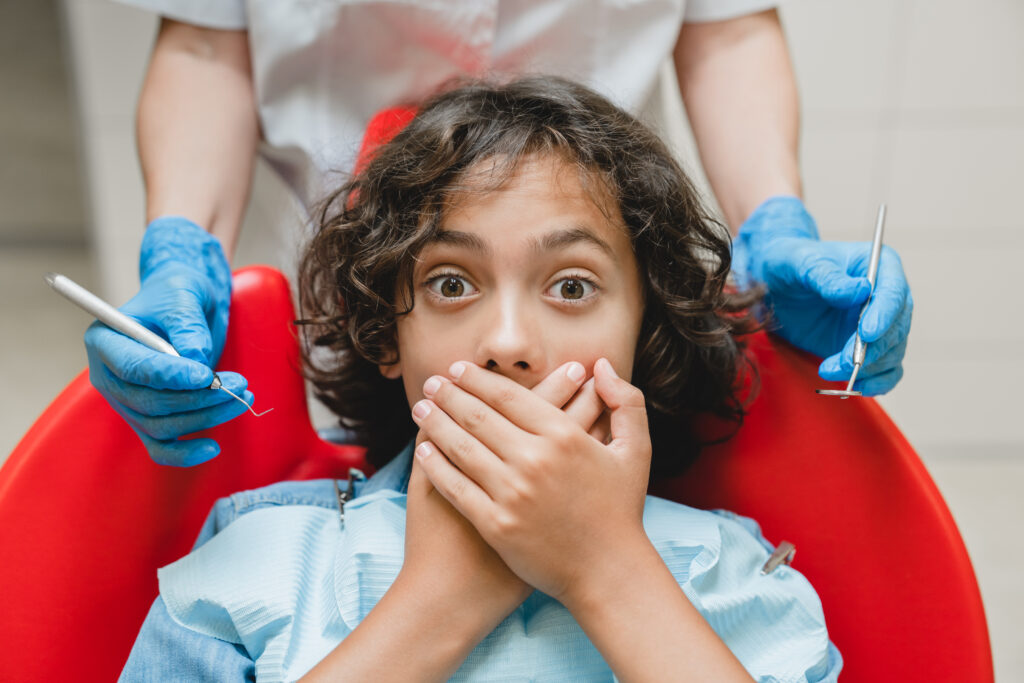
Nobody hands you a manual when you become a parent. You figure things out as you go, and most of the time that works just fine. But there are moments where waiting to see how things play out is the wrong call, and dental emergencies with kids are one of those moments. I learned that the hard way, and if this blog saves even one parent from making the same mistake, it is worth writing.

Dr. Kurt M. Halum – Our Experienced Dentist in Highland
Dr. Kurt Halum and the team at Kurt M. Halum, DMD, P.C. see this situation more often than most parents would expect. A child shows signs of a dental problem, the parent waits, and by the time they come in, what could have been a simple fix has turned into something much more involved.
The Mistake Most Parents Make
The most common mistake is assuming that if the pain comes and goes, it is probably not serious. That feels logical. If it were really bad, the pain would not let up, right?
Actually, the opposite is often true. Intermittent pain in a child’s mouth can be a sign that something is quietly getting worse underneath the surface. A cavity that reaches the nerve does not always hurt constantly at first. An abscess forming inside the gum can cause pain that flares up and then settles down, giving parents a false sense of relief. By the time the pain becomes constant and unbearable, the infection has usually spread further than it needed to.
Pediatric dental emergency treatment is not just for the dramatic moments like a knocked-out tooth or a broken jaw. It also applies to the slow-building situations that parents tend to brush off because they do not look like emergencies from the outside.
Warning Signs Parents Often Miss
Here are the situations where parents most commonly wait too long:
Swelling anywhere near the mouth, jaw, or cheek: Swelling that appears around the face or under the jaw is a serious warning sign. It can indicate an infection that is spreading beyond the tooth itself, and in some cases that infection can move into surrounding tissue quickly. This is never a wait-and-see situation.
A tooth that changes color: If a tooth starts looking gray, dark, or has a pinkish tinge inside, that tooth may be dying. This happens after trauma, even trauma that seemed minor at the time. A bump to the mouth during a game or a fall weeks ago can cause internal damage that only shows up later as a color change.
Gum that looks like a pimple or bump: A small raised bump on the gum near a tooth is often a dental abscess draining. It might not hurt much, which is exactly why parents tend to ignore it. But it signals an active infection that needs treatment.
Pain that wakes your child up at night: Daytime distractions can mask how bad dental pain actually is. When a child wakes up at night because of mouth pain, that is the body telling you clearly that something is wrong and it is not going away on its own.
A tooth that feels loose without any obvious reason: Baby teeth fall out naturally, but a loose tooth outside of the normal timing, or a permanent tooth that feels wobbly after an impact, needs to be evaluated right away.
Why Kids Cannot Always Tell You What Is Wrong
Part of what makes pediatric dental emergencies in Highland and other communities so tricky is that young children are not reliable reporters of their own pain. A five-year-old might say their tooth hurts a little and then go right back to playing. They do not have the vocabulary or the frame of reference to tell you it is getting worse. Older kids sometimes downplay pain because they are afraid of the dentist or do not want to miss school or a game.
This puts the responsibility on parents to watch for the physical signs rather than waiting for their child to tell them something is seriously wrong. Families in Munster, Schererville, and Dyer have all found that the earlier they bring a child in when something looks off, the simpler and less stressful the visit tends to be.
When to Call Right Away
If your child is showing any of these signs, do not wait for the next available routine appointment. Call a pediatric dentist the same day:
Severe pain that is not improving, visible swelling in the face or jaw, a tooth that has been knocked out or pushed out of position, bleeding that will not stop, signs of infection like fever alongside mouth pain, or a tooth that has changed color after a recent injury.
For families looking for emergency pediatric dental care near me, going to a pediatric specialist rather than a general dental office or urgent care makes a real difference. Pediatric offices are built around children and know how to keep kids calm during stressful visits. Getting prompt care through a practice experienced in pediatric dental emergency services means your child gets the right treatment fast, without being scared out of their mind in the process.
Dr. Kurt Halum at Kurt M. Halum, DMD, P.C. has spent nearly three decades making sure kids in the area get the care they need quickly and comfortably, without parents feeling like they overreacted. Families across Munster, Schererville, and Dyer have trusted this practice for exactly that reason, and our dentists are proudly serving around the Highland area.
If your child is showing any signs of a dental emergency, or you are simply not sure whether what you are seeing is serious, do not wait. Schedule an appointment or call us on +1-2199245437 today and get your child the care they need right away.
Frequently Asked Questions
How do I know if my child’s dental problem is a true emergency or can wait?
If your child has severe pain, visible swelling, a knocked-out or displaced tooth, a tooth that has changed color, or signs of infection like fever alongside mouth pain, treat it as an emergency and call right away. When in doubt, always call your pediatric dentist. It is always better to check.
Can a dental infection in a child become dangerous if left untreated?
Yes. A dental abscess or spreading infection can move beyond the tooth into surrounding tissue and, in serious cases, affect the airway or other vital areas. This is why swelling near the jaw or face should never be ignored or treated as something that will resolve on its own.
My child had a bump to the mouth weeks ago and seemed fine. Should I still get it checked?
Yes. Internal tooth damage from trauma does not always show up right away. A tooth that changes color weeks after an injury, or one that starts to feel sensitive without explanation, should be evaluated by a pediatric dentist even if the original injury seemed minor at the time.
What is the difference between going to an emergency room and a pediatric dental office for a dental emergency?
Emergency rooms can help with severe trauma, significant bleeding, or concerns involving the head and neck, but they typically cannot treat the dental problem itself. A pediatric dental office is the right place for tooth-specific emergencies like knocked-out teeth, abscesses, fractures, and infections. If both are happening at once, go to the emergency room first and follow up with the dentist as soon as possible.