

Should I Pull My Child’s Loose Baby Tooth?
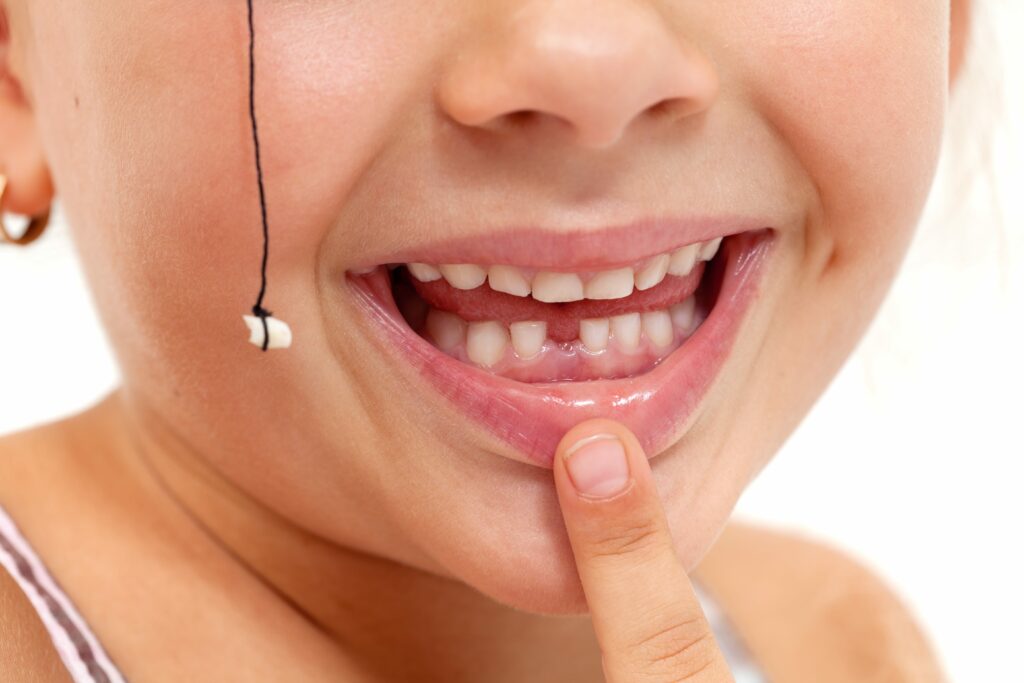
So your child has a loose tooth and the excitement in your house is real. Every parent has been through it, and most of the time it is a completely natural process that takes care of itself. But what happens when that wiggly tooth just will not budge? Should you give it a little help or leave it alone? These are questions that come up all the time in pediatric dentistry, and the answers depend on a few things worth knowing before you reach for a tissue.
Dr. Kurt Halum and the team at Dentistry for Children work with families through this exact situation every day. Whether your child’s tooth is barely hanging on or firmly stuck in place, knowing what is normal and what is not can save you a lot of worry and your child a lot of unnecessary discomfort.
Why Do Baby Teeth Get Loose in the First Place
Baby teeth are placeholders. Their entire job is to hold space in your child’s jaw until the permanent teeth are ready to come in. As your child grows, the jaw expands and the roots of the baby teeth gradually dissolve, which is what causes them to loosen and eventually fall out on their own.
Most children start losing their first teeth around age six, and the process continues until around age twelve. Teeth typically fall out in roughly the same order they came in, so the front bottom teeth usually go first. Keeping an eye on the pattern can help you know what to expect and when.
Sometimes a tooth becomes loose for reasons other than natural development. A fall, a knock to the face, or accidental trauma can loosen a tooth before its time. When that happens, the situation is a little different and worth a closer look from a dentist in Highland who specializes in children’s care.
Should You Pull It Out
The honest answer is usually no, at least not right away. Most loose baby teeth fall out on their own when they are genuinely ready, and the process is almost always painless when it happens naturally.
If the tooth is barely moving and your child is not bothered by it, the best approach is to wait. Pulling a tooth before it is ready can damage the surrounding gum tissue, irritate the root, and cause pain that was completely avoidable. No string tied to a door handle, and definitely no pliers.
If the tooth is hanging by a thread and your child is comfortable with it coming out, that is a different story. Wash your hands, grab a clean tissue, and apply gentle pressure. If the tooth is truly ready, it will come out easily with no real pain and only minimal bleeding.
The area of pediatric dentistry near me that parents search most often after a wiggly tooth situation is usually around knowing when it is time to step in versus step back. That instinct to help is natural, but patience almost always wins here.
When to Call the Dentist
There are situations where a loose tooth needs professional attention rather than a home remedy. Contact a pediatric dentist in Highland if your child experiences any of the following.
Pain that does not go away on its own is a signal worth taking seriously. Losing a baby tooth should not be a painful experience, so persistent discomfort means something else may be going on underneath the surface.
Difficulty eating or speaking because of a loose tooth is another reason to get it checked. A tooth that is interfering with your child’s daily life is not just a waiting game anymore.
If a baby tooth is holding firm even though the permanent tooth behind it has already started to come in, that baby tooth may need to be gently removed to avoid crowding or alignment issues later on.
Swollen gums, a bad smell coming from the area, or any sign of pus around a loose tooth are all signs of infection and need to be addressed right away. Infection around a baby tooth does not resolve on its own.
Pediatric preventive dentistry near me is one of the most searched phrases by parents who want to stay ahead of these issues before they turn into bigger problems. Regular checkups make it much easier to catch anything unusual early, including teeth that are not falling out on the right schedule.
Keeping Your Child’s Smile on Track
Good habits during this phase of your child’s development make a real difference. Continue brushing twice a day with a soft-bristled toothbrush and a pea-sized amount of fluoride toothpaste. As soon as two teeth are touching, flossing should be part of the routine as well.
Twice-yearly dental visits are the best way to monitor how your child’s teeth are developing, catch any issues early, and make sure the permanent teeth are coming in where they should be. Families from Munster, Schererville, and Dyer have found that consistent kids first pediatric dentistry care keeps these transitions smooth and stress-free for both children and parents.
Dr. Kurt Halum at Dentistry for Children has been helping families in the area navigate every stage of their child’s dental development since 1995. Our dentists are proudly serving around the Highland area.
If you have questions about your child’s loose tooth or want to make sure everything is on track, schedule an appointment with Kurt M. Halum, DMD, P.C. today. Getting your child seen early is always the right call.
Frequently Asked Questions
Is it safe to pull my child’s loose tooth at home?
Only if the tooth is genuinely ready to come out on its own. If it is hanging by a thread and your child feels no pain, a gentle pull with clean hands and a tissue is fine. If the tooth still has resistance, leave it alone and let it fall out naturally to avoid damaging the gum or root.
At what age do children usually start losing their baby teeth?
Most children begin losing their baby teeth around age six, starting with the front bottom teeth. The process continues gradually until around age twelve. Every child is different, so minor variations in timing are completely normal.
What should I do if my child’s permanent tooth is coming in behind a baby tooth that has not fallen out yet?
This is sometimes called a shark tooth situation and it is fairly common. Contact your pediatric dentist so they can evaluate whether the baby tooth needs to be removed or if it will fall out on its own with a little more time.
When is a loose tooth considered a dental emergency?
If the loose tooth is accompanied by swelling, pain that will not go away, signs of infection like pus or a bad smell, or if the tooth was knocked loose by trauma rather than natural development, contact your dentist right away rather than waiting for a scheduled appointment.