

Why Baby Teeth Matter: The Importance Of Early Dental Care
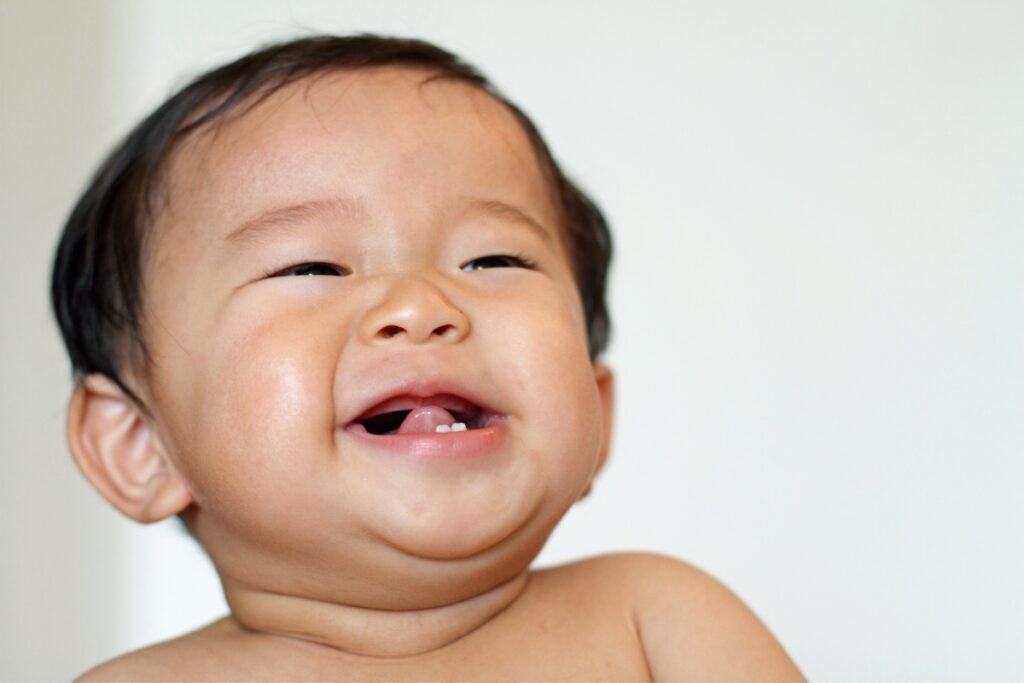
That first tiny tooth is exciting. It may even seem too small to worry about, especially when you know it will eventually fall out. But the importance of baby teeth goes far beyond a child’s early smile. These first teeth help children eat, speak, develop oral habits, and make room for the permanent teeth that come later.
For parents in Highland, IN, early dental care for children is a simple way to stay ahead of common oral health problems. A few good habits at home, combined with regular dental visits, can make a meaningful difference during these early years.
Why Do Baby Teeth Matter?
Baby teeth have several jobs that are easy to overlook.
A child uses them every day to bite and chew food. They also help guide the tongue and lips while a child learns to form sounds. Just as importantly, primary teeth help preserve space in the developing mouth for permanent teeth.
So, even though these teeth are temporary, they still need daily attention.
They Help With Eating
Young children are learning how to chew different textures and foods. A sore, damaged, or decayed tooth can make that process uncomfortable.
Healthy primary teeth allow children to chew normally and enjoy meals without unnecessary dental discomfort.
They Play a Role in Speech
Teeth are one part of the system children use when learning to pronounce sounds. This is why baby teeth and speech development are connected.
A dental problem does not automatically mean a child will develop a speech issue, but keeping the mouth healthy gives children the normal conditions they need as speech develops.
They Help Guide Permanent Teeth
Primary teeth also act as placeholders. When one is lost much earlier than expected, nearby teeth may move into the empty space. Depending on the tooth and the child’s stage of development, this can sometimes affect how a permanent tooth eventually comes in.
The American Academy of Pediatric Dentistry recognizes monitoring the developing dentition as an important part of children’s dental care.
What Does Early Dental Care for Children Involve?
Early dental care is not simply about filling cavities. It is about checking how a child’s mouth is developing and helping parents know what to do between appointments.
The American Academy of Pediatric Dentistry recommends a child’s first dental examination when the first tooth appears and no later than 12 months of age.
That may sound early, but the first visit is often much simpler than parents expect. Depending on the child’s age and needs, the dentist may examine the teeth and gums, discuss brushing, review eating and drinking habits, and answer questions about teething or oral habits.
Why Starting Early Can Help
Dental problems can begin surprisingly early. Current AAPD information identifies early childhood caries as a significant childhood health concern, while its guidance recommends establishing a dental home during infancy.
The practical takeaway is straightforward: waiting until a child has tooth pain means a problem may already be established. Routine visits give parents and dental professionals an opportunity to address concerns sooner.
Caring for Baby Teeth at Home
Parents do not need an elaborate routine. What matters most is doing the basics consistently.
Start Brushing With the First Tooth
As soon as the first tooth appears, begin brushing twice each day with a soft, age-appropriate toothbrush.
For children younger than 3, the ADA recommends a smear of fluoride toothpaste about the size of a grain of rice. From ages 3 through 6, a pea-sized amount is recommended.
Young children generally need an adult to brush for them or supervise closely because they are still developing the coordination needed to clean every surface properly.
Watch Frequent Sugar Exposure
It is not just the amount of sugar that matters. How often teeth are exposed to sugary foods and drinks also matters.
Try to make water the usual drink between meals, and avoid allowing children to routinely fall asleep with a bottle containing anything other than water. Your child’s dental professional can offer advice based on feeding habits and individual cavity risk.
Make Dental Visits Routine
Regular appointments can help children become familiar with the dental office before they have a painful problem.
For parents searching for a pediatric dentist near me, choosing a dental office that routinely sees children can make it easier to discuss age-specific brushing, nutrition, fluoride, tooth eruption, and other concerns.
What the Numbers Tell Us About Children’s Oral Health
The need for early attention is not based only on theory. AAPD research summaries note that more than half of children continue to experience cavities in their primary teeth in national survey data cited by the organization.
That figure helps put prevention into perspective. Baby teeth are not simply something parents can ignore until the permanent teeth arrive. Decay in early childhood can result in pain and infection when it is not addressed.
Early prevention can therefore mean fewer problems to deal with later, although every child’s risk and dental needs are different.
When Should a Child See a Dentist?
Parents often ask, “when should a child see a dentist?”
The general recommendation is to arrange the first dental visit when the first tooth erupts or by the child’s first birthday.
You should also contact a dental professional if your child develops tooth pain, swelling, bleeding gums, visible spots or holes on a tooth, difficulty chewing, or an injury to the mouth.
A child’s dental schedule may vary depending on oral health, cavity risk, development, and other individual factors.
Helping Your Child Build Good Habits in Highland, IN
For families in Highland, establishing a simple routine can make children’s oral health easier to manage. Keep brushing consistent, make water an everyday choice, pay attention to frequent snacking, and keep dental visits on the family calendar.
Children also learn by watching. When brushing and dental appointments are treated as ordinary parts of the day, children are more likely to see oral care as something familiar rather than something to fear.
If you’re looking for a pediatric dentist near me in or around Highland, IN, an early visit can be a useful starting point for questions about your child’s developing smile.
Final Thoughts
Baby teeth may have a short stay, but they have an important role while they are there. Looking after them can support comfortable eating, normal oral development, healthy habits, and the transition toward permanent teeth.
For families in Highland, IN, caring for baby teeth can start with a toothbrush, sensible daily habits, and an early relationship with a dental professional. Small steps now can make oral care a much more natural part of childhood. Schedule an appointment with Kurt M. Halum, DMD, P.C. today.
Frequently Asked Questions
Are baby teeth really important if they fall out?
Yes. They help children chew and speak, and they help maintain space for permanent teeth while the mouth develops.
When should I start brushing my baby’s teeth?
Begin brushing as soon as the first tooth appears. Use an age-appropriate soft toothbrush and the recommended small amount of fluoride toothpaste.
Can baby teeth get cavities?
Yes. Primary teeth can develop decay soon after they erupt. Regular brushing and dental checkups can help identify problems early.
Can losing a baby tooth early cause problems?
Sometimes. Losing certain primary teeth too soon can allow neighboring teeth to shift. Your child’s dentist can determine whether monitoring or other care is needed.
Is it too early to take a baby to the dentist?
No. Professional dental organizations recommend an initial visit during the first year of life. Early appointments also give parents a chance to ask questions and establish healthy routines.