

How Long Do Dental Crowns Last on Baby Teeth?
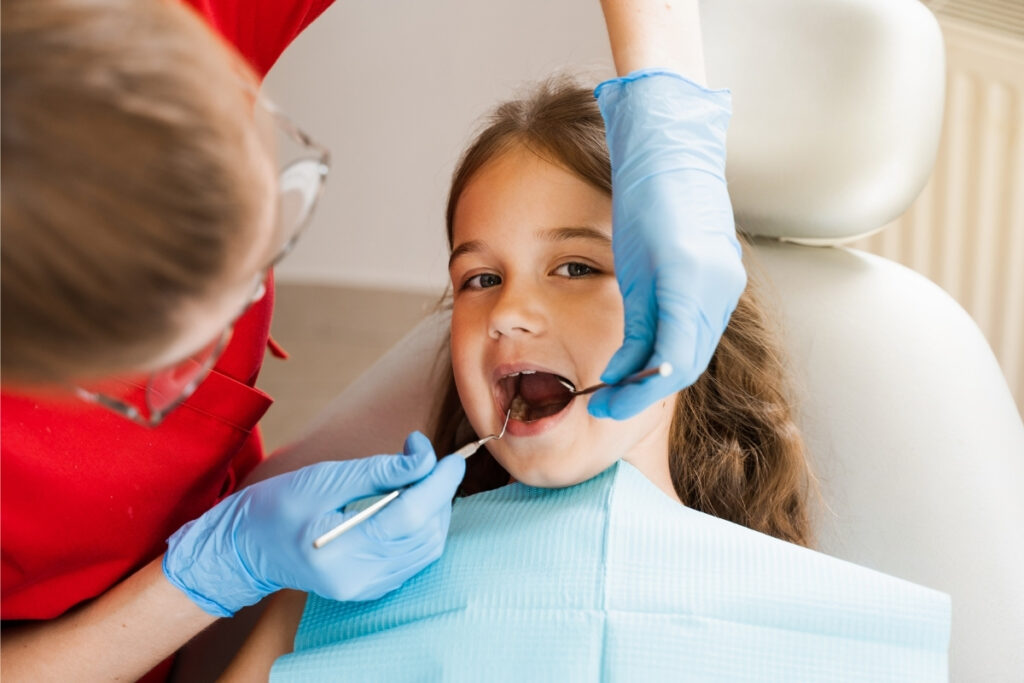
When a child needs a dental crown, many parents have the same immediate thought: If it is only a baby tooth, why put a crown on it?
It is a fair question. Baby teeth are temporary, but that does not mean they are unimportant. A badly damaged baby tooth can still affect how a child eats, speaks, and maintains space for the permanent teeth that will eventually replace it.
That often leads to another question: how long do dental crowns on baby teeth last? The short answer is that a well-maintained crown may stay in place until the baby tooth is naturally ready to come out. For some children, that may be a couple of years. For others, it may be much longer.
How Long Do Dental Crowns on Baby Teeth Usually Last?
There is no single lifespan that applies to every child. The life of a crown depends partly on when it is placed and which tooth it covers.
A crown on a baby tooth that is already close to falling out may only be needed for a short time. A crown placed on a young child’s molar, however, may need to withstand years of meals, snacks, brushing, and everyday chewing.
This is where age matters. Some primary molars remain in place until roughly ages 10 to 12. So, if a crown is placed years before that, the restoration needs to provide dependable coverage for a significant period.
From a practical standpoint, a healthy baby tooth crown lifespan is often measured by one simple outcome: Did the crown protect the tooth for as long as the tooth was needed?
If the answer is yes, the treatment has generally done its job.
Why Put a Crown on a Tooth That Will Eventually Fall Out?
A baby tooth may be temporary, but removing or losing it too early can sometimes create problems. These teeth help children chew food and can help maintain room for developing permanent teeth.
When decay is small, a filling may be enough. But a tooth with extensive decay may not have enough strong structure left to support a filling.
A dental crown for children may be considered when the tooth is:
Severely Decayed
Large cavities can weaken a tooth to the point where a filling may not provide enough support. Covering the remaining tooth can help protect it during normal use.
Cracked or Broken
Children are active, and accidents happen. A significant crack or break may leave the tooth vulnerable to further damage.
Weakened After Treatment
If deep decay has affected much of the tooth, restoring its outer structure can help it handle everyday chewing.
In each situation, the purpose of a baby tooth restoration is to preserve the tooth when keeping it in place is beneficial.
What Kind of Crowns Are Used for Children?
The type of crown can depend on where the tooth is located and how much protection it needs.
Stainless Steel Crowns
These are frequently used on back baby teeth. They are made to cover the entire tooth and tolerate the repeated pressure of chewing.
Since molars are usually less noticeable when a child smiles, appearance may not be the primary concern.
Tooth-Colored Crowns
For teeth that are more visible, a tooth-colored option may be considered. These can restore the appearance of the tooth while also providing coverage.
The best choice is not necessarily the same for every child. The position of the tooth, the amount of damage, and the child’s dental needs all play a role.
What Can Affect a Baby Tooth Crown’s Lifespan?
Even durable pediatric dental crowns are exposed to daily wear. Several factors can influence how long they remain in good condition.
Brushing and Flossing
The crown itself cannot develop a cavity, but the natural tooth around the edges still can. Plaque can collect near the crown margin if brushing is inconsistent.
Young children may need help brushing thoroughly, especially around back teeth.
Eating Habits
Constant snacking on sugary foods or sipping sweet drinks throughout the day can increase the risk of new decay. Very sticky foods can also be tough on certain restorations.
The goal is not to make your child’s diet perfect. Instead, reducing frequent sugar exposure can support better oral health over time.
Everyday Wear
Children use their teeth constantly. Grinding, chewing on hard objects, or biting non-food items may put additional pressure on a crown.
Regular Checkups
Dental visits give the care team an opportunity to check whether the crown is still secure and whether the surrounding tooth remains healthy.
What Happens When the Baby Tooth Falls Out?
A crown does not normally stop a baby tooth from following its natural timeline.
As a permanent tooth begins moving into place, the roots of the baby tooth gradually break down. Eventually, the baby tooth loosens. When it comes out, the crown usually comes out along with it.
This is one of the main reasons crowns can be useful for young patients. The crown is not intended to permanently replace the tooth. It is there to protect the tooth while the child still needs it.
How Can Parents Help a Crown Last?
A few simple routines can help protect crowns for baby teeth:
- Help younger children brush twice a day.
- Clean between teeth once they are touching.
- Keep sugary snacks and drinks from becoming an all-day habit.
- Encourage water between meals.
- Discourage chewing on ice, pencils, or other hard objects.
- Keep up with recommended checkups.
If you notice that a crown feels loose, appears damaged, or your child complains of discomfort, it is best to contact the dental office rather than trying to fix the crown at home.
Final Thoughts
So, how long do dental crowns last on baby teeth? Ideally, they last for as long as the tooth needs protection. That might be a short period for one child and several years for another.
The most important factor is not simply the number of years. It is whether the crown can protect the tooth, support comfortable chewing, and help the tooth remain in place until its natural replacement is ready.
For parents exploring dental crowns for kids in Highland, an evaluation can help determine whether a crown is appropriate or whether another treatment may better suit the tooth.
At Kurt M. Halum, DMD, P.C., families can talk through their child’s treatment needs and ask questions before moving forward.
Schedule an appointment to discuss the best restorative option for your child’s smile.
Frequently Asked Questions
How long can a crown stay on a baby tooth?
A baby tooth crown can remain in place until the tooth naturally falls out. Its lifespan depends on the child’s age, the tooth’s condition, and daily oral care.
Why would a child need a crown on a baby tooth?
A crown may be used when decay or damage has weakened too much of the tooth for a regular filling to provide reliable support.
Can a crowned baby tooth still cause problems?
Yes. Problems can develop around the crown if bacteria reach the remaining natural tooth. Regular brushing(opens in new tab) and dental visits help monitor the area.
Do dental crowns fall out with baby teeth?
Usually, yes. As the baby tooth loosens naturally, the crown generally comes out with it.
What affects a baby tooth crown’s lifespan?
Oral hygiene, eating habits, tooth location, biting forces, and the condition of the tooth can all influence how long the crown remains secure.