

3 Essential Oral Hygiene Tips for Children With Special Needs
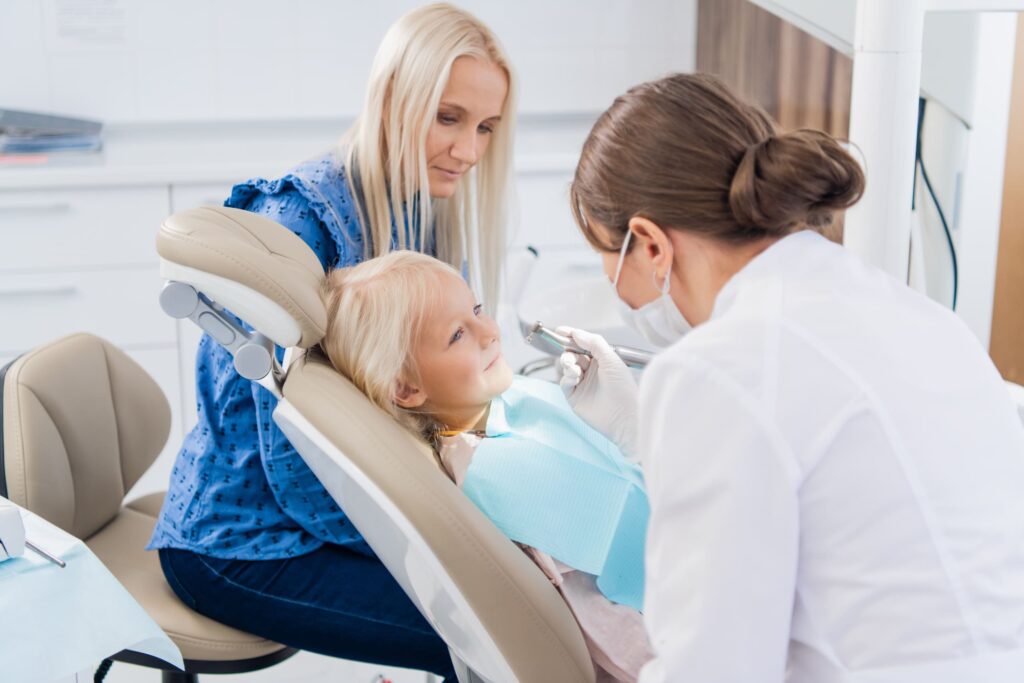
Caring for a child with special needs comes with its own set of challenges, and oral hygiene is one area where parents often need a little extra guidance. Children with special behavioral, cognitive, physical, sensory, or other healthcare needs are frequently at a higher risk of developing dental health problems, including tooth decay, gum disease, and misaligned teeth. Oral hygiene for pediatric dentistry starts at home, and building the right routine early on makes a real difference in your child’s long-term dental health.
Dr. Kurt Halum and the team at Kurt M. Halum, DMD, P.C. are dedicated to providing children with special needs with compassionate, personalized care, ensuring they have the best possible patient experience. Beyond the dental chair, consistent at-home oral hygiene is key to lowering the risk of tooth decay, gum disease, and other oral health problems. Below are three essential tips to help keep your child’s smile healthy and bright.
Tip 1: Establish a Consistent Brushing Routine
Children with sensory sensitivities, physical challenges, or difficulty adapting to new routines may resist home oral hygiene. Brushing and flossing at the same time each day helps establish a predictable routine so your child knows exactly what to expect. Consistency reduces resistance over time. When the routine becomes familiar, many children who initially pushed back on brushing begin to accept it as a normal part of their day.
If your child struggles with the process, try breaking it into smaller steps. Let them hold the toothbrush first before any brushing begins. Give them a moment to get comfortable with the sensation. Small adjustments like these can make a big difference for children who need more time to adapt to new experiences.
Tip 2: Experiment With the Right Dental Tools
Not every toothbrush or toothpaste works for every child, and that is especially true for children with special needs. A soft-bristled brush and a bland, unflavored toothpaste may work better for children with strong sensory sensitivities. Others may respond well to an electric toothbrush, which provides a thorough clean with less manual effort required.
There are also toothbrushes available with specialized grips or wider handles that are easier for children with motor challenges to hold. Floss picks or water flossers can be much more manageable alternatives to traditional string floss for children who struggle with fine motor skills.
Families throughout Highland and nearby communities including Munster and Schererville have found that a pediatric dental team experienced in oral hygiene for pediatric dentistry can recommend the right adaptive tools for their child’s specific needs. The team at Kurt M. Halum, DMD, P.C. is always happy to point parents in the right direction when it comes to finding tools that actually work for their child at home.
Tip 3: Make Dental Care a Rewarding Experience
Encouraging a child with special needs to maintain good oral hygiene is much easier when the experience feels positive rather than stressful. Let your child pick out their own toothbrush in a color or character they love. Choose a toothpaste flavor they actually enjoy. Play a favorite song during brushing time to give the routine a clear beginning and end.
A simple reward system can also go a long way. Stickers, small prizes, or even just enthusiastic praise after a successful brushing session help reinforce the habit and give your child something to look forward to. The goal is to make oral hygiene feel like a normal, even enjoyable, part of the day rather than something to dread.
For parents searching for a dentist in Highland who understands the unique needs of children with special requirements, finding a practice that takes the time to support families both in the office and at home is essential. Good dental habits built early are the foundation for a lifetime of healthy smiles, and that foundation starts with the routines you create at home every single day. Families looking for a pediatric dentist near me who specializes in caring for children with special needs will find that a pediatric practice makes all the difference in how comfortable and supported both child and parent feel throughout the process.
Supporting Your Child’s Unique Needs
Every child is different. Finding what works best for your little one may take some time and patience, and that is completely normal. The right tools, the right routine, and the right dental team all work together to make oral hygiene manageable for children who need a little extra support.
Dr. Kurt Halum at Kurt M. Halum, DMD, P.C. has been helping families navigate these challenges since 1995, always with a focus on making every child feel safe and every parent feel informed. Our dentists are proudly serving around the Highland area.
If you have questions about how to care for your child’s smile at home or want to schedule a visit for your little one, reach out to Kurt M. Halum, DMD, P.C. today. The team is here to help you build the right plan for your child’s unique needs. Schedule a consultation and take the first step toward a healthier, happier smile for your child.
Frequently Asked Questions
Why are children with special needs at a higher risk for dental problems?
Children with special needs may have difficulty cooperating with brushing and flossing routines, may take medications that affect saliva production or increase cavity risk, and may have sensory sensitivities that make oral hygiene challenging. These factors combined make consistent at-home care and regular dental visits especially important.
What type of toothbrush works best for a child with sensory sensitivities?
A soft-bristled toothbrush with a bland toothpaste is often the best starting point for children with sensory sensitivities. Some children do better with an electric toothbrush because it requires less manual effort. Your pediatric dentist can recommend the best option based on your child’s specific needs.
How do I get my child with special needs to cooperate with brushing?
Consistency is key. Brushing at the same time every day helps your child know what to expect and reduces resistance over time. Making the experience positive through favorite songs, character toothbrushes, or a small reward system can also help build the habit gradually without added stress.
How often should a child with special needs visit the dentist?
Most children benefit from dental visits every six months, but children with special needs may require more frequent visits depending on their individual risk factors. Your pediatric dentist can recommend the right schedule based on your child’s dental health history and specific needs.