

Do Your Child’s Braces Results Last Forever
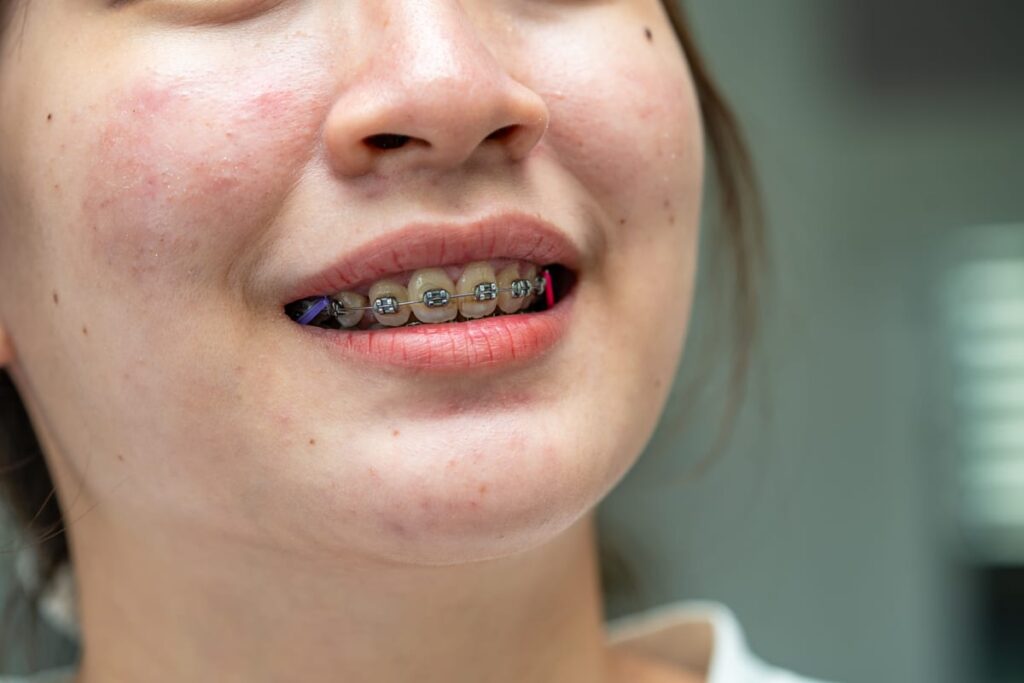
Parents in Highland often ask: do your child’s braces results last forever? It’s a great question — and the honest answer is that it depends. Braces can straighten your child’s teeth beautifully. But how long those results last comes down to what happens after treatment ends. Understanding the key factors can help your family protect that smile for years to come.
How Long Do Braces Results Typically Last for Kids?
Braces work by gradually shifting teeth into proper alignment. Once the braces come off, teeth naturally want to drift back. This tendency is called relapse, and every orthodontic patient faces it to some degree.
With proper care, braces results can last a lifetime. Without proper follow-through, teeth may shift within months. The good news is that relapse is largely preventable with the right habits.
Children’s jaws are still growing during and after orthodontic treatment. This makes the post-braces phase especially critical for younger patients. Dr. Kurt M. Halum and our team at Dentistry for Children in Highland guide families through every step of this process.
The Role of Retainers in Keeping Your Child’s Smile Straight
Retainers are the single most important tool for preserving braces results. After braces are removed, a retainer holds teeth in their new positions. Without consistent retainer wear, shifting can begin quickly.
Most children start with full-time retainer wear. Over time, nightly wear becomes the standard routine. Skipping retainer use — even for a few weeks — can allow noticeable movement.
There are two main types of retainers your child may receive:
- Removable retainers: Worn nightly and taken out for eating and brushing
- Fixed retainers: A thin wire bonded to the back of the teeth for constant, passive retention
- Clear plastic retainers: A popular removable option that is nearly invisible
- Combination retainers: A fixed wire on the bottom with a removable option on top
Your child’s orthodontist will recommend the best type based on their specific case. Following that recommendation closely is essential for long-lasting results.
What Shortens or Extends the Lifespan of Braces Results in Highland?
Several habits and behaviors directly affect how long your child’s braces results will last. Some factors shorten the lifespan of a straight smile. Others can extend it significantly.
Factors that can shorten results:
- Skipping or losing retainers without replacing them promptly
- Thumb sucking or prolonged pacifier use after treatment
- Grinding or clenching teeth at night
- Poor oral hygiene leading to gum problems that shift teeth
- Wisdom teeth erupting and pushing against aligned teeth
Factors that extend and protect results:
- Wearing retainers exactly as prescribed
- Attending regular dental checkups with Dr. Halum
- Maintaining excellent brushing and flossing habits
- Addressing teeth grinding early with a nightguard if needed
- Monitoring wisdom tooth development through periodic X-rays
Parents play a huge role in supporting these habits at home. Consistency is everything when it comes to protecting your child’s orthodontic investment.
Ongoing Maintenance: What Parents Should Expect After Braces
Post-braces care is an ongoing commitment, not a one-time task. Your child will need regular dental visits to monitor their smile over time. These visits allow Dr. Halum to catch any early shifting before it becomes a bigger problem.
Retainer replacements are a normal part of post-braces life. Removable retainers can warp, crack, or get lost. Replacing them quickly prevents unwanted movement from occurring.
Oral hygiene remains just as important after braces as during treatment. Clean teeth and healthy gums provide a stable foundation for long-term alignment. Teaching your child to brush twice daily and floss once daily protects both their teeth and their results.
Some children may also need to address dental anxiety as they continue routine care. Our team offers Pediatric Sedation Dentistry Highland for children who feel nervous during dental visits. Keeping up with checkups is much easier when your child feels comfortable and safe.
What Happens If Your Child’s Teeth Shift After Braces?
Some degree of movement after braces is common and expected. Minor shifting does not always require retreatment. Your child’s dental team can assess whether the movement is significant enough to address.
If shifting is caught early, a new or adjusted retainer may be all that’s needed. In more significant cases, a short course of additional orthodontic treatment may be recommended. Acting quickly always leads to better outcomes.
Accidents can also affect your child’s smile after braces. A knocked-out or damaged tooth can disrupt alignment. If your child experiences a dental injury, seek help immediately — our team handles Dental Emergencies Highland and can help protect your child’s smile.
The key takeaway is not to ignore changes in your child’s bite or tooth position. Early action makes correction simpler and more effective for kids of all ages.
Frequently Asked Questions
Do your child’s braces results last forever in Highland without a retainer?
No — retainer use is essential for lasting results. Without a retainer, teeth will gradually drift back toward their original positions. Most orthodontists recommend lifelong nightly retainer wear to preserve the results your child worked hard to achieve.
How often should my child wear their retainer after braces?
During the first few months after braces, most children wear their retainer full-time. After that period, nightly wear is typically recommended. Your child’s orthodontist will give specific instructions based on their treatment plan.
At what age do children usually get braces?
Most children begin orthodontic treatment between ages 9 and 14, when most permanent teeth have come in. However, earlier evaluations — sometimes around age 7 — can identify issues that benefit from early intervention. Dr. Halum can help guide your family on the right timing.
Can wisdom teeth affect my child’s braces results?
Yes, wisdom teeth can potentially push against aligned teeth and cause shifting. Not every child is affected in the same way. Regular X-rays allow your child’s dental team to monitor wisdom tooth development and plan accordingly.
What should I do if my child loses or breaks their retainer?
Contact your child’s dental or orthodontic provider as soon as possible. The longer a child goes without a retainer, the greater the risk of shifting. Replacement retainers can often be made quickly to minimize any tooth movement.
At Dentistry for Children in Highland, Dr. Kurt M. Halum is committed to helping families protect every stage of their child’s smile — from the first tooth to the last retainer check. Your child’s straight teeth are worth preserving with the right care and consistent follow-through. Book Now to schedule your appointment with our team.