

Dental Anxiety in Children: How to Help
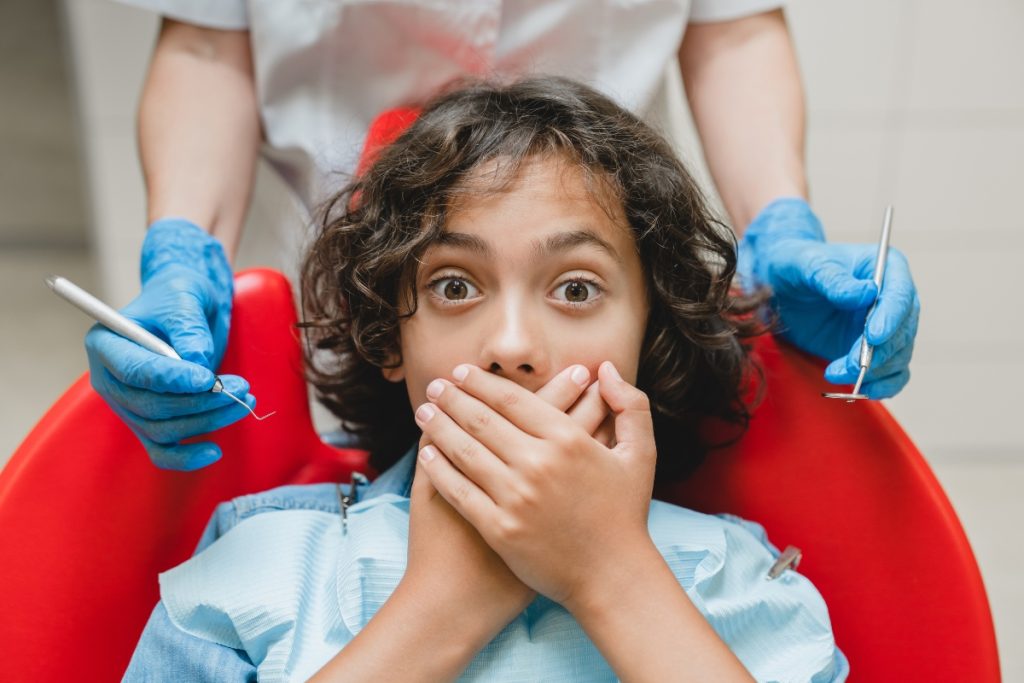
A dental visit may seem like a routine appointment to adults, but it can feel overwhelming to a child. New surroundings, unfamiliar sounds, bright lights, and dental instruments can make children nervous before they even sit in the dental chair. Some kids become quiet, while others cry, refuse to open their mouths, or ask to go home.
Dental anxiety in children is more common than many parents realize. A child may fear pain, remember an uncomfortable experience, or simply feel unsure about what will happen during an appointment. Whatever the reason, parents can help make dental visits less stressful with patience, preparation, and the right support.
For families in Highland, IN, building positive dental habits early can help children feel more comfortable with routine checkups as they grow. Let’s look at what causes dental fear and how parents can make each visit easier.
What Causes Dental Anxiety in Children?
Children do not always have the words to explain why they feel uncomfortable at the dentist. Their reactions often come from fear of the unknown, previous experiences, or difficulty understanding dental procedures.
Some common reasons include:
- Fear of pain: Children may worry that a cleaning, filling, or other treatment will hurt.
- Unfamiliar sounds: The noise of dental instruments, suction devices, and equipment may frighten younger patients.
- Loss of control: Sitting still with their mouth open while someone works can make children feel helpless.
- Previous negative experiences: An uncomfortable medical or dental visit can affect how a child approaches future appointments.
- Stories from others: Hearing siblings, friends, or family members describe painful dental experiences may create unnecessary fear.
- Sensory sensitivities: Bright lights, unfamiliar smells, certain textures, and sounds can overwhelm some children.
Fear of the dentist in children can look different from one child to another. Recognizing the cause helps parents and dental professionals choose an approach that suits the child’s needs.
How to Help a Child With Dental Anxiety
Helping an anxious child starts before the appointment. Small changes in how you prepare, communicate, and respond to your child’s concerns can make a meaningful difference.
Talk About the Visit in Simple Words
Explain what will happen without making the appointment sound frightening. Tell your child that the dental team will count their teeth, check their smile, and help keep their mouth healthy.
Avoid detailed descriptions of instruments or procedures. Also, avoid phrases like “It won’t hurt” or “Don’t be scared.” These statements can unintentionally introduce ideas that your child had not considered.
Instead, say something reassuring, such as, “The dental team will explain what they are doing and help you feel comfortable.”
Read Books or Play Dentist at Home
Pretend play can help children become familiar with a dental visit. Take turns being the dentist and the patient. Use a toothbrush to count a stuffed animal’s teeth or look inside a doll’s mouth.
You can also read age-appropriate books about visiting the dentist. These activities introduce the experience in a relaxed setting and give children a chance to ask questions.
Choose the Right Time for Appointments
A tired or hungry child may find it harder to manage unfamiliar situations. When possible, schedule appointments around your child’s usual routine.
Morning appointments may work well for children who feel more relaxed after breakfast and a good night’s sleep. Avoid scheduling visits during typical nap times or immediately after a busy day.
Stay Calm and Offer Reassurance
Children often notice how their parents react to unfamiliar situations. If you appear worried, your child may assume something unpleasant is about to happen.
Speak positively about dental visits and avoid sharing your own negative dental experiences. Let your child express concerns without dismissing their feelings.
If you are searching for a pediatric dentist near me, consider a dental office that welcomes questions, communicates patiently, and understands how to support children who feel nervous during treatment.
Let Your Child Bring a Comfort Item
A favorite stuffed animal, small blanket, or familiar toy may help your child feel more secure during an appointment. Familiar objects can provide reassurance in an unfamiliar environment.
Ask the dental office beforehand whether your child can bring a comfort item into the treatment area.
Use Praise Instead of Pressure
Children respond well to encouragement when they feel supported rather than judged. Praise small efforts, such as entering the office, sitting in the dental chair, or allowing the dental team to count their teeth.
Avoid comparing your child with siblings or other children. Every child develops confidence at a different pace.
Tips for Reducing Dental Anxiety in Kids During Appointments
Preparation at home matters, but the dental team’s approach also plays an important role in managing dental fear in children.
Explain Each Step Before Starting
Children often feel more relaxed when they know what to expect. A dentist can explain each step using age-appropriate language and demonstrate simple instruments before using them.
This approach helps reduce uncertainty and gives children time to adjust.
Allow Breaks When Needed
Some children need a few moments to relax during treatment. A planned hand signal can help them communicate when they need a short break.
Giving children an appropriate way to express discomfort can help them feel heard and involved.
Consider Individual Comfort Needs
Pediatric dentistry for anxious children may involve shorter visits, gradual introductions to dental instruments, or additional communication before treatment.
Children with sensory sensitivities or special healthcare needs may benefit from adjustments to lighting, sounds, positioning, and appointment length.
For children with more significant anxiety, the dental team may discuss additional behavior guidance options. Depending on the child’s age, medical history, and treatment needs, sedation may sometimes be appropriate.
Why Early Dental Visits Matter for Anxious Children
Waiting until a child develops a toothache can make dental care more stressful. Regular preventive visits allow the dental team to monitor oral development, identify concerns early, and build familiarity with the dental setting.
The American Dental Association recommends establishing a child’s first dental visit by their first birthday or within six months after their first tooth appears.
Early visits also give parents an opportunity to discuss brushing habits, cavity prevention, diet, and their child’s emotional comfort.
For families in Highland, IN, maintaining regular checkups can help children develop a familiar relationship with dental care rather than associating appointments only with treatment.
Helping Your Child Feel Comfortable at the Dentist
Managing dental anxiety takes patience, understanding, and consistency. Children may not feel completely comfortable after one visit, but supportive experiences can help them build confidence over time.
Avoid rushing your child, listen to their concerns, and work with a dental team that respects their emotional needs.
At Kurt M. Halum, DMD, P.C., families in Highland, IN, can discuss their children’s dental concerns and find an approach that supports their comfort and oral health. If your child feels nervous about an upcoming visit, contact the office to discuss your concerns and schedule an appointment.
Frequently Asked Questions
Is dental anxiety normal in children?
Yes. Many children feel nervous about dental visits, particularly when they encounter unfamiliar sounds, equipment, or procedures. Patience and positive experiences can help them become more comfortable over time.
At what age should I start taking my child to the dentist?
The American Dental Association recommends scheduling the first dental visit by the first birthday or within six months after the first tooth appears.
Should I force my child to sit through a dental appointment?
No. Forcing a frightened child can increase their anxiety and make future visits more difficult. Talk with the dental team about gradual introductions, breaks, and appropriate behavior guidance.
Can dental anxiety affect a child’s oral health?
Yes. Children who avoid dental visits may miss preventive care and early treatment. This can allow cavities and other dental problems to progress before someone identifies them.
How can a dentist help a child who is afraid of dental treatment?
A dental professional can use simple explanations, positive reinforcement, gradual introductions, and breaks to help children feel more comfortable. Additional behavior guidance may be appropriate for children with greater anxiety.