

Does Juice Really Cause Cavities in Children?
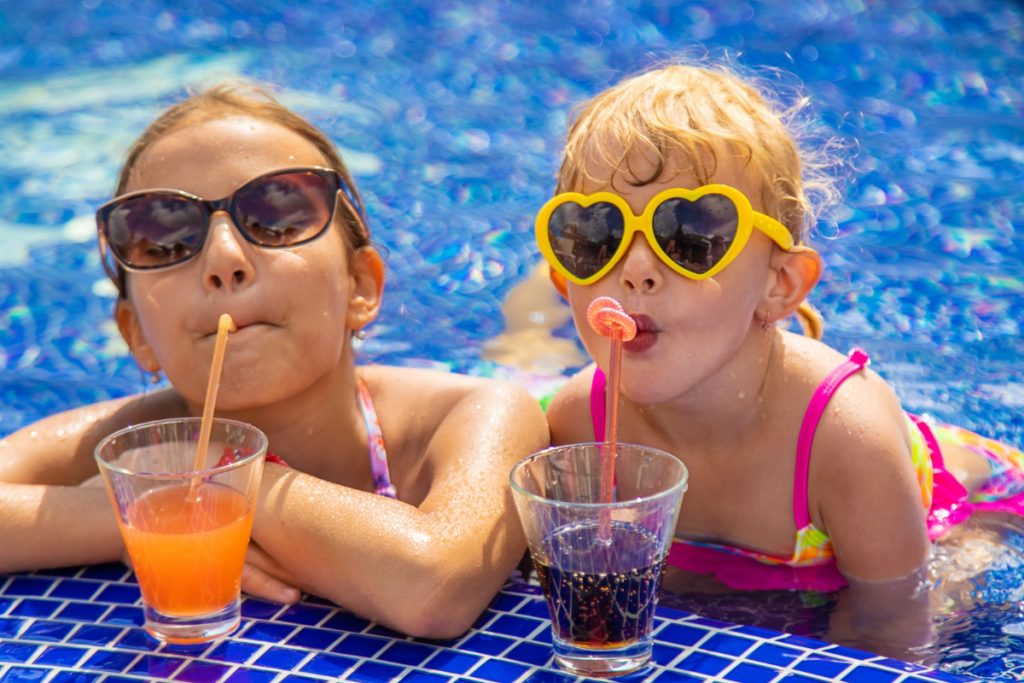
A glass of fruit juice may seem like a healthy choice for your child, especially when you’re trying to encourage better eating habits. Many parents choose apple, orange, or grape juice because the packaging highlights vitamins and fruit ingredients. However, even drinks that contain natural fruit sugars can affect growing teeth. Over time, frequent juice consumption can contribute to cavities, particularly when children sip it throughout the day.
Understanding how juice causes cavities in children can help parents make better choices without removing every favorite drink from their child’s routine. If you’re raising a family in Indiana area, knowing what goes into your child’s cup is one small but important part of protecting their oral health. Families looking for a pediatric dentist in Highland can also benefit from regular dental guidance about nutrition, preventive care, and healthy habits.
How Does Juice Contribute to Cavities in Children?
Fruit juice contains natural sugars, and some varieties also contain added sugars. When children drink juice, bacteria naturally present in the mouth use these sugars as a food source. As bacteria break them down, they produce acids that attack tooth enamel.
Repeated acid attacks gradually weaken enamel and increase the risk of cavities. Children’s primary teeth have thinner enamel than permanent teeth, making good oral hygiene and sensible drink choices especially important.
Natural Sugar Can Still Affect Teeth
Parents sometimes assume that 100% fruit juice is harmless because it does not contain added sugar. Although it can provide certain nutrients, its natural sugar content can still contribute to tooth decay.
Unlike whole fruit, juice usually contains little or no fiber. Children can also consume the sugar from several pieces of fruit in a short time by drinking one glass.
This does not mean your child must never drink juice. The frequency, amount, and timing of consumption all matter.
Juice and Tooth Decay in Children: Why Frequency Matters
One of the biggest concerns with juice and tooth decay in children is how often little ones drink it.
Every time your child consumes a sugary drink, mouth bacteria can produce acids that temporarily lower the pH inside the mouth. Saliva helps neutralize these acids and supports enamel repair, but frequent sipping gives teeth less time to recover.
For example, drinking a small serving of juice with breakfast is different from carrying a juice box around all morning. The second habit exposes teeth to repeated sugar and acid attacks.
Bedtime Juice Can Increase Cavity Risk
Giving juice before naps or bedtime can be particularly problematic. Saliva production naturally decreases during sleep, reducing one of the mouth’s important defenses against acids.
Avoid putting juice in a bottle or sippy cup for your child to drink while sleeping. Water is a better option when your child needs a bedtime drink.
How Much Juice Is Appropriate for Children?
Portion size matters when choosing drinks for growing children. The American Academy of Pediatrics recommends limiting 100% fruit juice based on age:
- Under 12 months: Fruit juice is generally not recommended unless medically indicated.
- Ages 1–3: No more than 4 ounces daily.
- Ages 4–6: Approximately 4–6 ounces daily.
- Ages 7–18: No more than 8 ounces daily.
These are upper limits, not daily requirements. Children do not need juice to meet their nutritional needs when they eat a balanced diet that includes whole fruits and vegetables.
Parents should also check nutrition labels. Fruit drinks, juice cocktails, and flavored beverages may contain added sugars and offer fewer nutritional benefits than 100% fruit juice.
Healthy Drink Choices for Kids That Protect Their Teeth
Choosing healthier beverages does not have to be complicated. Small changes at home can help reduce sugar exposure and support better dental habits.
Make Water the Everyday Drink
Water is one of the best choices for children’s teeth. It helps rinse away food particles without exposing enamel to sugar.
If your local tap water contains fluoride, drinking it can also help strengthen enamel and prevent cavities. Parents in Highland can check their local water provider’s fluoride information if they are unsure.
Offer Plain Milk With Meals
Plain milk provides calcium and other nutrients that support healthy teeth and bones. It is generally a better choice than sweetened milk or flavored dairy drinks.
However, avoid allowing children to fall asleep with a bottle of milk, since prolonged exposure to carbohydrates can contribute to tooth decay.
Serve Whole Fruit Instead of Juice
Whole fruits such as apples, oranges, pears, and berries provide fiber and require chewing. They also help children develop healthy eating habits.
Although fruit contains natural sugars, eating whole fruit is generally preferable to drinking its juice because it is more filling and encourages slower consumption.
Keep Juice to Mealtimes
If your child enjoys juice, offer a small, age-appropriate serving with a meal rather than allowing frequent sipping throughout the day. Avoid using juice to settle children at bedtime.
Practical Ways to Prevent Tooth Decay in Children
Drink choices are only one part of cavity prevention. A consistent oral hygiene routine helps protect children’s teeth as they grow.
- Brush twice daily with fluoride toothpaste. Use a rice-sized smear for children younger than 3 and a pea-sized amount for children ages 3–6.
- Supervise brushing until your child can clean all tooth surfaces effectively.
- Encourage flossing once teeth begin touching.
- Schedule regular dental checkups and ask whether fluoride treatments or dental sealants are appropriate.
- Limit frequent snacks and sugary beverages between meals.
- Replace juice and soda with water whenever possible.
These habits work together. Reducing sugary drinks while maintaining daily brushing and professional preventive care gives children’s teeth better protection.
When Should Parents Seek Pediatric Dental Care?
Early childhood cavities do not always cause noticeable pain. White spots near the gumline, brown discoloration, tooth sensitivity, or complaints while eating may indicate developing dental problems.
If you notice these changes, arrange a dental examination rather than waiting for your child to experience discomfort.
At Kurt M. Halum, DMD, P.C., families in Highland, IN, can discuss preventive dental care, nutrition habits, and ways to protect their children’s developing smiles. If you’re concerned about your child’s juice consumption or possible early signs of decay, schedule an appointment to discuss an appropriate care plan.
Frequently Asked Questions
Does fruit juice cause cavities in kids even without added sugar?
Yes. Natural fruit sugars can still feed mouth bacteria, which produce enamel-damaging acids. Limiting portions and avoiding frequent sipping can reduce exposure.
Is diluted juice better for children’s teeth?
Adding water reduces the sugar concentration in each sip, but diluted juice still contains sugar. Plain water remains the better everyday choice.
Can children drink juice every day?
Children do not need juice daily. If parents choose to offer it, they should follow age-based serving limits and serve it with meals rather than throughout the day.
Is orange juice worse for teeth than apple juice?
Both contain natural sugars, and both can contribute to tooth decay. Orange juice is also acidic, which can contribute to enamel erosion. Neither should replace water as the main everyday drink.
How can I tell if my child has a cavity?
Early signs may include white or brown spots, visible holes, sensitivity, or tooth pain. Some cavities cause no symptoms initially, so regular dental examinations are important.