

Ways to Safely Remove Your Child’s Loose Tooth
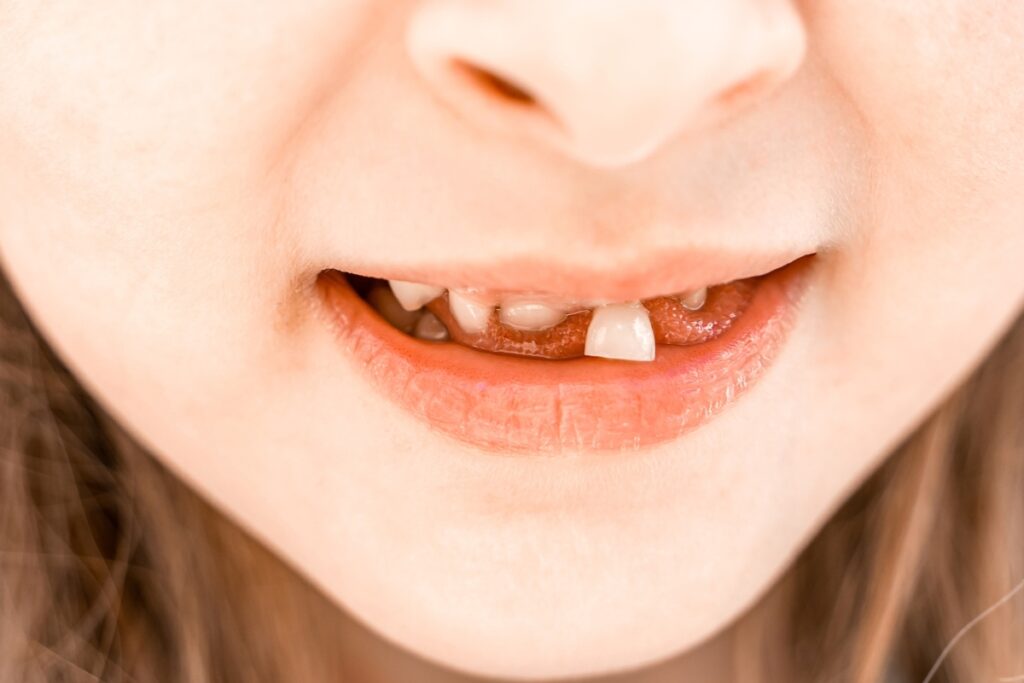
Watching your child discover their first loose tooth can be an exciting moment. It is one of those small childhood milestones that often brings a mixture of excitement, curiosity, and a little nervousness. At the same time, parents may wonder whether they should help remove the tooth, let it fall out on its own, or contact a pediatric dentist for advice.
In most cases, a loose baby tooth is a normal part of growing up. As a permanent tooth develops underneath, the roots of the baby tooth gradually dissolve, allowing the tooth to loosen and eventually fall out. The process can take some time, so there is usually no reason to rush it.
Let the Tooth Loosen Naturally
The simplest approach is often to give the tooth time to fall out on its own. If it is only slightly loose and your child is comfortable, there is generally no need to pull it out.
Your child may naturally move the tooth with their tongue throughout the day. Gentle movement can help the tooth become looser as it gets closer to falling out. Allowing your child to be involved in the process can also give them a sense of control and make the experience less intimidating.
However, encourage your child not to force the tooth or repeatedly pull on it. If moving the tooth causes pain, bleeding, or significant discomfort, stop and allow it more time.
Encourage Gentle Wiggling
Once a baby tooth becomes noticeably loose, your child can gently wiggle it with their tongue or clean hands. This can help the tooth loosen naturally without putting unnecessary pressure on the surrounding gums.
Make sure your child washes their hands before touching their mouth. They should avoid constantly pushing, pulling, or twisting the tooth because excessive force may irritate the gums or cause unnecessary bleeding.
A little patience can go a long way. Some children may lose a tooth quickly, while others may have a loose tooth for several days or even longer before it finally comes out.
Be Careful With Food and Mealtimes
Eating normally can sometimes help a very loose baby tooth come out naturally. Your child does not necessarily need special foods or a deliberate attempt to knock the tooth loose.
If the tooth is already very loose, softer foods may be more comfortable if chewing feels tender. Avoid encouraging your child to bite unusually hard foods simply to force the tooth out. Doing so could hurt the gums or make the experience more uncomfortable.
If the tooth comes out during a meal, remind your child to spit it out rather than accidentally swallowing it. If it is swallowed, it is usually not a dental emergency, but contact a dental professional if you are concerned or if your child develops symptoms.
Know When It May Be a Pediatric Dental Emergency
Not every loose tooth is a routine part of losing baby teeth. If the tooth became loose after a fall, sports injury, accident, or another impact, it deserves more attention. A tooth that is extremely loose, displaced, fractured, bleeding heavily, or causing significant pain may require prompt dental evaluation. Parents looking for guidance about pediatric dental emergencies in Highland should contact a dental professional when an injury is involved rather than attempting to remove the tooth at home.
It is also important to seek dental care if a permanent tooth has become loose, if swelling develops around the tooth, or if your child has persistent pain, fever, or signs of infection. These situations are different from the normal loosening of a baby tooth and should not be treated by simply pulling the tooth.
Use Floss Carefully
Flossing around a loose baby tooth can help keep the surrounding area clean, but floss should not be used to forcefully pull out a tooth. Gently cleaning between the teeth can remove food particles and plaque that may collect around the loose area.
If the tooth is extremely loose and your child’s dentist has advised that it is ready to come out, follow the specific instructions provided by the dental professional. Avoid using homemade extraction techniques that require significant force.
What About Pulling or Twisting the Tooth?
Parents may remember the traditional method of gripping a loose baby tooth with gauze or tissue and giving it a quick twist. While this approach is commonly discussed, it is not necessary for every loose tooth and should not be done if the tooth is not ready to come out.
Trying to force a tooth that still has a strong connection to the gum can cause pain, bleeding, or unnecessary irritation. If the tooth is hanging on by only a small amount of tissue and is bothering your child, a dentist can determine whether removal is appropriate.
The goal should not be to get the tooth out as quickly as possible. Instead, focus on keeping your child comfortable and allowing the tooth to separate naturally whenever possible.
What Should You Do After the Tooth Falls Out?
A small amount of bleeding after a baby tooth falls out can be normal. Have your child gently bite down on a clean piece of gauze for a short time if needed. Encourage them not to repeatedly touch the area with their fingers or tongue.
Continue helping your child maintain good oral hygiene by brushing twice a day and cleaning around the area gently. If bleeding does not stop, pain becomes severe, or the gums appear unusually swollen, contact a dental professional for advice.
Losing a baby tooth should usually be a positive milestone rather than a stressful event. Stay calm, reassure your child, and allow them to participate in the process at their own pace. Most loose baby teeth do not need to be forcibly removed, and waiting for the right time can make the experience much easier.
If you are uncertain about whether your child’s tooth is ready to come out, or if the tooth became loose because of an injury, professional guidance can provide peace of mind. Schedule an appointment to discuss your child’s loose tooth and get personalized guidance for their dental needs.
Frequently Asked Questions
Should I pull my child’s loose tooth out?
It is usually best to allow a loose baby tooth to fall out naturally when possible. If it is causing significant discomfort, remains loose for an unusual amount of time, or became loose because of an injury, consult a dentist before attempting to remove it.
Can my child wiggle a loose tooth?
Yes. Gentle wiggling with the tongue or clean hands can be a normal part of the process. Your child should avoid forceful pulling or twisting because that can irritate the gums and cause unnecessary discomfort.
Should I use floss to pull out a loose baby tooth?
Floss can be used to clean around the tooth, but it should not be used to forcefully extract it. If you think the tooth is ready to come out, ask your child’s dentist for guidance.
What if my child swallows a baby tooth?
Swallowing a baby tooth can happen accidentally, especially when it comes out while eating. In most cases, it is not a cause for concern. If your child develops breathing problems, severe discomfort, or other unusual symptoms, seek immediate medical attention.
When should I call a dentist about a loose baby tooth?
Contact a dentist if the tooth became loose after an injury, causes significant pain, has excessive bleeding, appears displaced or damaged, or shows signs of infection. You should also seek professional advice if a permanent tooth becomes loose.
How can I make losing a tooth less stressful for my child?
Keep your child calm and avoid making the tooth a source of pressure. Explain that losing baby teeth is a normal part of growing up, let them gently wiggle the tooth if they want to, and avoid rushing the process.