

Dental Sealants for Kids: How Long Do They Actually Last
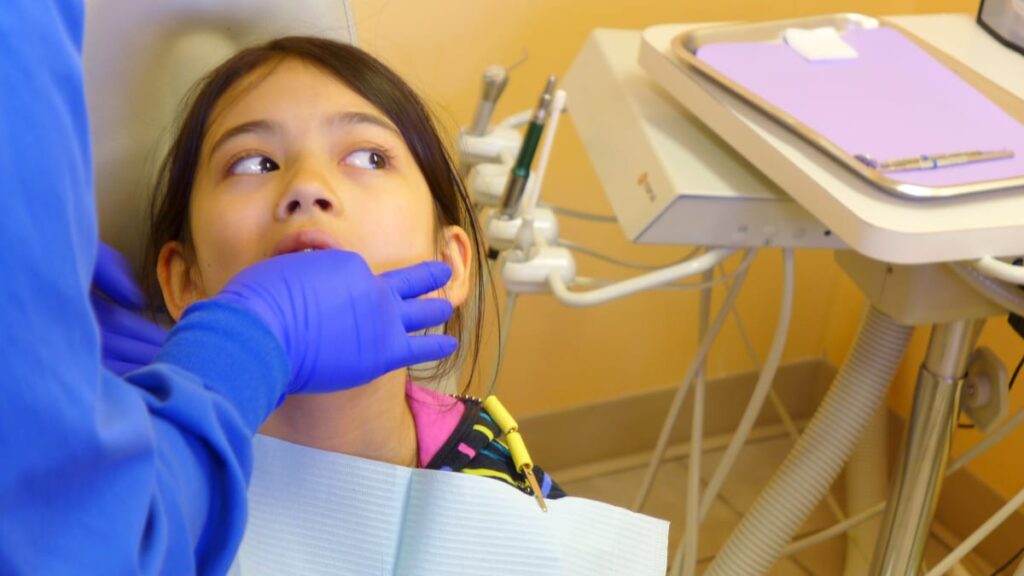
Parents in Highland, IN often ask the same question after their child gets sealants: how long do dental sealants for kids actually last? It’s a great question — and the answer depends on several factors. Sealants can protect your child’s back teeth for years, but only when properly maintained. Understanding their lifespan helps you get the most out of this valuable preventive treatment.
What Are Dental Sealants and How Do They Work?
Dental sealants are thin, protective coatings applied to the chewing surfaces of back teeth. Molars have deep grooves that trap food and bacteria easily. Sealants fill in those grooves, creating a smooth surface that’s much easier to clean.
Dr. Kurt M. Halum applies sealants quickly and painlessly right here in Highland. The process takes only a few minutes per tooth. No drilling or numbing is needed in most cases. Children typically feel completely comfortable throughout the appointment.
Sealants work by acting as a physical barrier between cavity-causing bacteria and your child’s enamel. Studies show they can reduce cavity risk by up to 80% in back teeth. That’s a significant level of protection for growing kids.
How Long Do Dental Sealants for Kids Last in Highland?
On average, dental sealants last between 5 and 10 years when properly cared for. Some children keep their sealants intact well into their teen years. Others may need touch-ups sooner due to chewing habits or diet.
At Dentistry for Children, Dr. Halum checks sealant integrity at every routine visit. If a sealant chips or wears down, it can be reapplied quickly. Catching early wear prevents bacteria from sneaking back into the groove.
The longevity of sealants varies from child to child. Factors like tooth position, bite force, and food choices all play a role. The good news is that Highland families have easy access to regular monitoring right here locally.
What Shortens the Lifespan of Your Child’s Sealants?
Several habits and circumstances can cause sealants to wear out faster than expected. Being aware of these helps parents take proactive steps. Small changes at home can make a big difference in how long sealants last.
Here are the most common factors that shorten sealant lifespan:
- Chewing on ice or hard candies — these put excess pressure on the sealant surface
- Grinding teeth at night (bruxism) — repeated grinding wears sealants down quickly
- Eating very sticky or chewy foods — these can pull at the edges of sealants
- Skipping routine dental checkups — wear goes undetected without regular exams
- Poor brushing habits — bacteria accumulation can weaken the bond over time
If your child grinds their teeth at night, talk to Dr. Halum about a nightguard. Protecting sealants from grinding dramatically extends their lifespan. It also protects the underlying enamel at the same time.
What Extends the Lifespan of Dental Sealants?
The right habits at home and consistent professional care keep sealants working longer. Parents play a major role in helping their child maintain these protective coatings. A few simple routines go a long way.
Here’s what helps dental sealants last as long as possible:
- Brushing twice daily with a fluoride toothpaste approved for your child’s age
- Flossing daily to remove buildup around sealed teeth
- Visiting Dr. Halum every six months for professional cleanings and sealant checks
- Avoiding very hard foods like jawbreakers, hard pretzels, and chewing on pen caps
- Drinking water after meals to rinse away sugar and acid
Fluoride treatments work hand-in-hand with sealants to protect enamel. Together, they form a powerful defense against cavities. Dr. Halum often recommends both treatments for children most at risk for decay.
Consistency is the real key to longevity. Children who visit their dentist regularly get their sealants monitored before problems develop. Early intervention always leads to better outcomes.
When Should Sealants Be Reapplied?
Dr. Halum will let you know if a sealant needs reapplication during your child’s routine exam. You don’t need to guess or wait for symptoms. Regular checkups catch worn sealants before cavities have a chance to form.
Reapplication is a simple process. Dr. Halum cleans the tooth, applies a bonding agent, and places fresh sealant material. The whole process takes just minutes and requires no anesthesia.
Children who are particularly anxious about dental visits may benefit from additional support. Pediatric Sedation Dentistry Highland is available at our practice for children who need extra comfort during any procedure, including sealant reapplication.
Knowing when to reapply isn’t always obvious to parents at home. That’s exactly why consistent checkups with Dr. Halum in Highland matter so much. You’ll never miss a window for protection when we monitor sealants regularly.
What to Do If a Sealant Chips or Falls Off
Sealants don’t always wear gradually — sometimes a piece chips away suddenly. If your child notices something feels different on their back tooth, contact our Highland office promptly. A missing sealant leaves that groove exposed to bacteria again.
Don’t wait for a cavity to form before acting. A quick reapplication appointment protects the tooth right away. The sooner it’s replaced, the better the outcome for your child’s oral health.
In rare cases, a damaged sealant may be linked to an injury or dental emergency. If your child experiences tooth pain alongside a lost sealant, that may require urgent attention. Dental Emergencies Highland services are available at Dentistry for Children to address urgent needs quickly and compassionately.
Are Sealants Worth It for Your Child?
Absolutely — dental sealants are one of the most cost-effective preventive tools in pediatric dentistry. They reduce the risk of cavities in back teeth significantly. Fewer cavities mean fewer fillings and less time in the dental chair.
Children typically receive sealants on their first set of permanent molars around age 6. The second set of permanent molars comes in around age 12. Both sets benefit greatly from sealant protection.
Parents in Highland who invest in sealants early help set their children up for healthier smiles long-term. Dr. Halum is passionate about giving every child in our community the best start possible. Prevention is always better than treatment.
Conclusion
Dental sealants for kids in Highland can last up to a decade with the right care and regular monitoring. Understanding what extends — and what shortens — their lifespan empowers you as a parent. Dr. Kurt M. Halum and the team at Dentistry for Children are here to guide your family every step of the way. Book Now to schedule your appointment with our team.
Frequently Asked Questions
At what age should my child get dental sealants?
Most children benefit from sealants when their first permanent molars erupt, usually around age 6. The second set of permanent molars comes in around age 12 and should also be sealed. Dr. Halum evaluates each child individually to determine the best timing.
Do dental sealants hurt to apply?
No — applying dental sealants is completely painless. No drilling or numbing injections are needed. The process is quick and comfortable, making it easy for even young children to tolerate.
Can sealants be placed over a tooth that already has a small cavity?
In some cases, sealants can be placed over very early-stage decay to stop its progression. Dr. Halum will examine your child’s teeth carefully before recommending sealants. If a cavity is too advanced, a filling will be needed first.
How will I know if my child’s sealant has worn off?
Most parents can’t tell at home when a sealant has worn down. That’s why routine checkups are so important — Dr. Halum checks sealant integrity at every visit. We’ll let you know if any sealant needs to be reapplied before problems develop.
Are dental sealants safe for children?
Yes, dental sealants are considered safe and have been used in pediatric dentistry for decades. The materials are BPA-free and approved for use in children. The American Academy of Pediatric Dentistry recommends sealants as a key part of cavity prevention.