

Fluoride and Sealants: Science-Backed Protection Your Child Needs
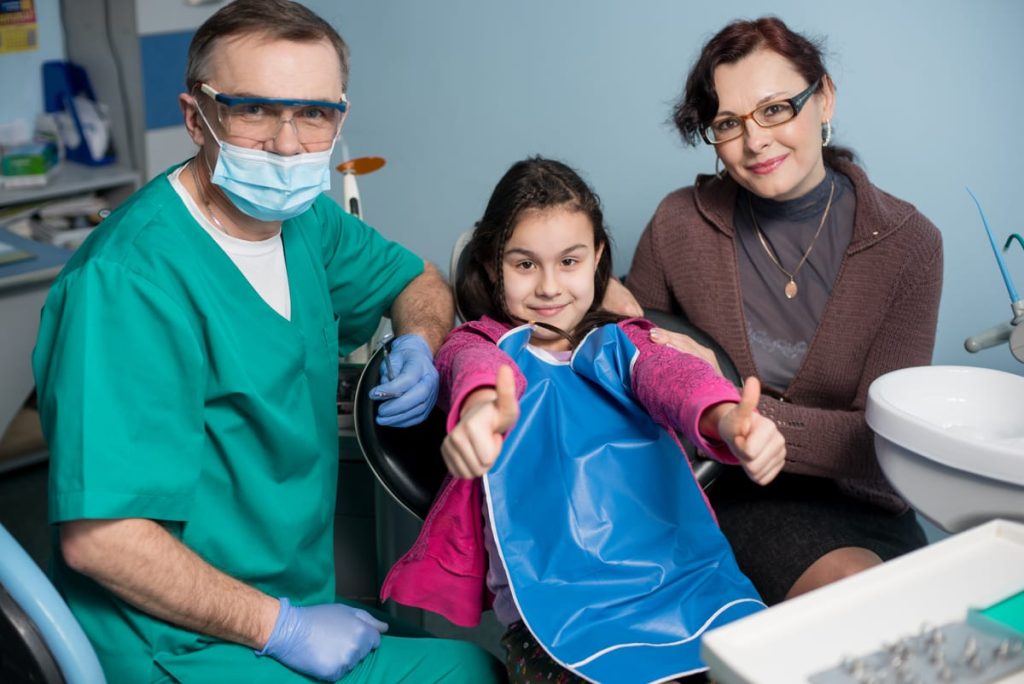
As a parent in Highland, IN, you want the best protection for your child’s teeth. Fluoride and sealants represent two of the most science-backed tools available in pediatric dentistry today. Many parents have questions about their safety, effectiveness, and whether their child truly needs them. This article walks you through everything you need to know so you can make a confident, informed decision for your family.
What Are Fluoride Treatments and Why Do Children Need Them?
Fluoride is a naturally occurring mineral found in soil, water, and many foods. It strengthens tooth enamel and helps teeth resist decay-causing acids. For children, whose teeth are still developing, fluoride plays a critical protective role at every stage of growth.
Professional fluoride treatments go beyond what toothpaste alone provides. Dr. Kurt M. Halum applies a concentrated fluoride gel, foam, or varnish directly to your child’s teeth. This process takes only a few minutes and significantly boosts enamel strength.
The American Academy of Pediatric Dentistry recommends fluoride treatments every six months for children at moderate to high cavity risk. Even children with low risk benefit from regular applications. Starting early gives your child the strongest possible foundation for lifelong dental health.
- Strengthens developing tooth enamel in children of all ages
- Remineralizes early-stage weak spots before they become cavities
- Reduces the risk of tooth decay by up to 43% in children
- Safe, fast, and painless — takes just minutes at each visit
- Recommended by the American Dental Association and pediatric dentistry experts
Addressing Parent Concerns About Fluoride Safety
It is completely natural to have questions about fluoride. Some parents worry about a condition called dental fluorosis, which can cause faint white spots on teeth. This only occurs from excessive fluoride ingestion during early tooth development — not from professional treatments used correctly.
Professional fluoride applications use carefully measured doses based on your child’s age and weight. Dr. Halum follows the latest evidence-based guidelines to ensure every treatment is both safe and effective. The risk of dental fluorosis from properly administered professional fluoride is extremely low.
Decades of research support fluoride’s safety and effectiveness for children. Organizations including the World Health Organization, the CDC, and the American Academy of Pediatrics all endorse fluoride as a proven cavity-prevention tool. Parents can feel confident knowing the science is firmly on their side.
What Are Dental Sealants and How Do They Protect Kids’ Teeth?
Dental sealants are thin, protective coatings painted onto the chewing surfaces of back teeth. Molars have deep grooves where food particles and bacteria easily get trapped. Even thorough brushing cannot always reach these tight spaces.
Sealants seal off those grooves, creating a smooth surface that is much easier to clean. The application process is quick, painless, and completely non-invasive. No drilling or numbing is required, which makes sealants ideal for children who experience Pediatric Sedation Dentistry Highland concerns or mild dental anxiety.
Research shows that sealants reduce cavity risk in back teeth by nearly 80% in the first two years after placement. They continue to protect teeth for several years with proper care. For children prone to cavities, sealants can be a genuine game-changer.
- Applied to permanent molars, typically around ages 6 and 12
- Painless and completed in one short dental visit
- Reduces decay in treated teeth by up to 80%
- Can last several years with regular dental checkups
- Can also be applied to baby teeth in cavity-prone children
Fluoride and Sealants: Science-Backed Protection Your Child Needs in Highland
Together, fluoride and sealants create a powerful two-layer defense against childhood tooth decay. Fluoride works from the inside out by strengthening enamel throughout the entire tooth. Sealants work from the outside in by physically blocking bacteria from reaching vulnerable grooves.
When used together, these treatments dramatically reduce your child’s overall cavity risk. This is especially important during the cavity-prone ages of 6 through 14, when permanent molars are still erupting. Many Highland families who visit Dentistry for Children see measurable improvements in their child’s cavity history after starting both treatments.
Dr. Halum evaluates each child individually to determine the right timing and frequency for these preventive treatments. Not every child has the same risk level, and care plans are always personalized. Your child’s specific needs, diet, brushing habits, and dental history all factor into the recommendation.
When Should My Child Start These Treatments?
Fluoride treatments can begin as early as your child’s first dental visit — even before age one. The earlier your child’s enamel is protected, the better their long-term outcomes will be. Baby teeth are just as vulnerable to decay as permanent teeth, and protecting them matters.
Sealants are most commonly applied when permanent molars first erupt. The first set of permanent molars typically appears around age 6. The second set comes in around age 12. Applying sealants shortly after eruption gives these teeth maximum protection during their most vulnerable period.
If your child has experienced a dental emergency or tooth injury, that is also a good time to discuss preventive care options. You can learn more about handling urgent situations through our Dental Emergencies Highland services page. Prevention and emergency preparedness go hand in hand at Dentistry for Children.
What to Expect During a Preventive Visit at Dentistry for Children
Preventive visits at our Highland practice are designed to be comfortable and stress-free for children. Dr. Halum and his team take time to explain every step in child-friendly language. We want kids to feel safe, curious, and empowered — not scared.
A typical preventive visit includes a thorough cleaning, an exam, and application of fluoride or sealants as needed. The entire appointment usually takes less than an hour. Parents are always welcome to stay close and ask questions throughout the visit.
Our team has extensive experience with children of all ages and temperament levels. Whether your child is a toddler visiting for the first time or a teenager getting their second set of sealants, we tailor every experience to their comfort and needs.
Frequently Asked Questions
Is fluoride safe for toddlers and young children?
Yes, fluoride is safe for young children when used in appropriate amounts. Professional fluoride treatments are carefully dosed based on your child’s age and size. The risk of any side effects from professionally applied fluoride is very low. Decades of research and major health organizations support its safety for children.
At what age should my child get dental sealants?
Most children receive their first sealants around age 6, when their first permanent molars erupt. A second round is typically recommended around age 12 when the second molars come in. In some cases, sealants may also be applied to baby teeth in children who are especially prone to cavities. Dr. Halum will assess your child’s specific needs and recommend the best timing.
Do sealants hurt? Will my child be nervous?
Sealants are completely painless and require no drilling or numbing injections. The process simply involves cleaning the tooth surface, applying a bonding gel, and painting on the sealant material. It hardens quickly under a special light. Most children find the process easy and even interesting to watch in the mirror.
How long do sealants last on children’s teeth?
Sealants can last anywhere from five to ten years with proper care and regular dental checkups. Dr. Halum checks the condition of existing sealants at every visit. If a sealant chips or wears down, it can be reapplied quickly and painlessly. Regular monitoring ensures your child’s back teeth stay protected throughout childhood.
Can my child use fluoride toothpaste at home in addition to professional treatments?
Yes, using fluoride toothpaste at home is an excellent complement to professional fluoride treatments. For children under age 3, use a smear of toothpaste about the size of a grain of rice. For children ages 3 to 6, a pea-sized amount is recommended. Always supervise brushing and teach children to spit rather than swallow toothpaste.
Protecting your child’s smile now prevents painful and costly dental problems later. Fluoride treatments and sealants are among the most effective, safest, and most affordable preventive tools available to Highland families. Dr. Kurt M. Halum and the team at Dentistry for Children are here to guide you every step of the way. Book Now to schedule your appointment with our team.